New Construction Roofing in Gainesville VA: Builder Roof Quality Guide
New Construction Roofing in Gainesville VA: Builder Roof Quality Guide
Key Takeaways
- Builder-grade roofing on new construction homes in Gainesville VA typically uses standard-tier shingles that deliver 15 to 18 years of functional life — significantly less than the 25 to 30 year lifespan of premium products
- Upgrading your shingle package during construction is 30 to 50 percent cheaper than upgrading after the home is completed because the roof is already accessible and the builder's installation crew is on site
- Most production builders in Gainesville use adequate but not exceptional installation practices — the standard 4-nail pattern, basic underlayment, and minimum-code ventilation
- An independent roof inspection before closing on a new home can identify installation defects that the builder's own quality control may miss
- Understanding what your builder warranty does and does not cover for the roof helps you maintain it properly and know when to file a warranty claim versus calling an independent contractor
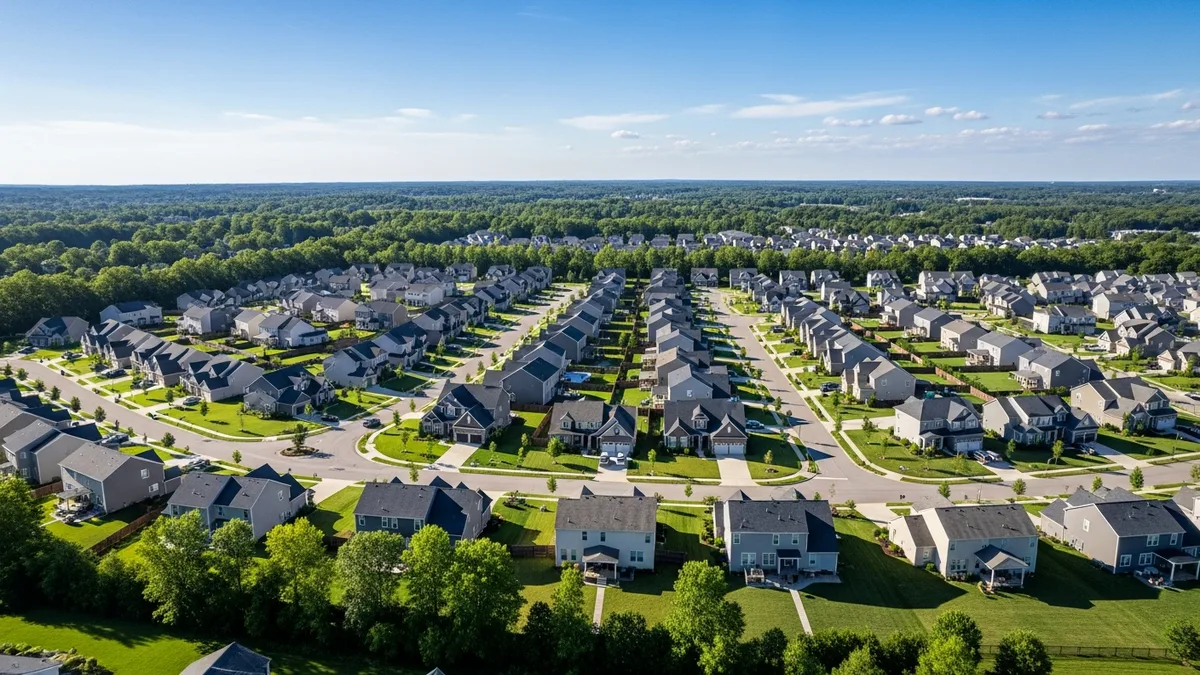
Gainesville VA has been one of the fastest-growing communities in Northern Virginia for two decades. The stretch of Route 29 and I-66 from the Manassas area westward through Gainesville to Haymarket has seen continuous residential development, with master-planned communities like Heritage Hunt, Virginia Oaks, University Village, and the neighborhoods around the Gainesville interchange transforming what was rural land into one of the region's most active housing markets.
If you're building or buying a new construction home in Gainesville, the roof is one of the most critical — and most overlooked — components of the transaction. Most buyers focus on finishes, floor plans, and lot location, treating the roof as a given. But builder-grade roofing varies significantly in material quality, installation practices, and warranty coverage, and the decisions made during construction affect your maintenance costs and replacement timeline for the next 15 to 25 years.
What "Builder-Grade" Roofing Actually Means
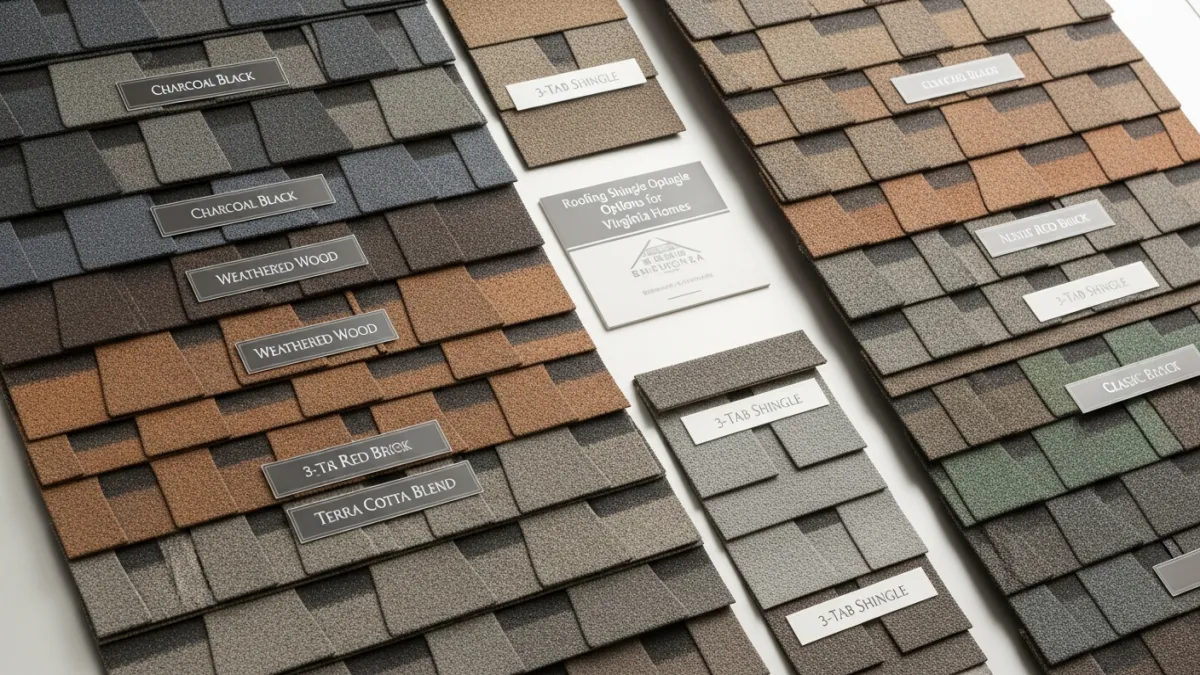
Production home builders operate on margin-driven business models. Every material selection balances performance against cost, and the roofing package is no exception. "Builder-grade" roofing typically means standard-tier architectural shingles — products in the lowest price tier of the manufacturer's architectural line. These shingles are legitimate products from major manufacturers (GAF, Owens Corning, CertainTeed), but they represent the base offering rather than the premium tier.
The practical difference between builder-grade and premium shingles shows up in wind resistance (110 mph versus 130 mph for premium products like GAF Timberline HDZ), algae protection (basic versus extended 25-year StainGuard Plus), warranty coverage (standard limited lifetime versus the stronger warranty tiers available through manufacturer-certified contractors), and granule quality and adhesive strip performance (standard versus enhanced formulations). Builder-grade shingles are not defective or substandard — they meet code requirements and manufacturer specifications. They simply deliver the minimum acceptable performance rather than optimal performance for Northern Virginia's demanding climate conditions.
Why Upgrading During Construction Makes Financial Sense
The cost of upgrading your shingle package during the construction process is significantly lower than upgrading later. During construction, the builder's roofing subcontractor is already on site with equipment, materials are ordered in bulk at contractor pricing, the roof is easily accessible (no landscaping, no furniture inside to protect), and no tear-off or disposal is required. A typical upgrade from builder-grade to premium architectural shingles during construction adds $1,500 to $3,500 to your total home cost. The same upgrade after the house is completed would require a full tear-off and re-installation costing $8,500 to $16,000. Ask your builder about available roofing upgrade options during the design center phase. Some builders offer tiered roofing packages, while others may need to arrange a custom upgrade. Either way, this is the most cost-effective time to improve your roof's long-term performance.
Independent Roof Inspection for New Construction
Most home buyers hire a general home inspector before closing, and that inspector will examine the roof. However, a general inspector's roof assessment is typically a visual check from a ladder or the ground — not a comprehensive evaluation of installation quality, ventilation adequacy, or material specification compliance. Consider hiring an independent roofing contractor for a separate roof inspection, particularly on homes where the roof is complex (multiple ridges, valleys, dormers), the home is in a high-wind area (Gainesville's open terrain is more wind-exposed than eastern Prince William County), you notice any visual concerns (irregular shingle alignment, exposed nails, inconsistent color), or the builder's warranty is about to expire and you want a professional assessment of current condition.
Common New Construction Roofing Issues in Gainesville
- Minimum-specification nailing: Builder subcontractors installing at production pace may use the standard 4-nail pattern where a 6-nail high-wind pattern would provide better performance for Gainesville's wind-exposed terrain
- Inadequate attic ventilation: Some new construction homes have minimal ventilation — just meeting code minimum rather than providing the balanced intake-exhaust system that optimizes performance and lifespan. Verify that soffit vents are not blocked by insulation and that ridge vent provides adequate exhaust
- Basic underlayment: Builder specifications often call for standard felt underlayment rather than synthetic underlayment, which provides better moisture protection and longer service life
- HOA color compliance issues: Occasionally, the shingle color installed doesn't match what was approved by the community's ARC. This creates problems for the homeowner rather than the builder. Verify the installed color matches your approval documentation
Understanding Your Builder Roof Warranty
New construction roofs typically have two layers of warranty coverage: the builder's structural warranty (usually one to two years on the roof as part of the overall home warranty, with 10 years for structural defects), and the shingle manufacturer's material warranty (limited lifetime). The builder warranty covers installation defects — improperly nailed shingles, inadequate flashing, missing components. The manufacturer warranty covers material defects — premature granule loss, cracking, delamination. Neither warranty covers normal aging, storm damage, or damage caused by deferred maintenance (clogged gutters causing ice dams, for example). File claims with the builder for installation issues within the warranty period. After the builder warranty expires, your recourse is through the manufacturer warranty for material defects and through your own maintenance for everything else.
Gainesville-Specific Roofing Considerations
Wind Exposure
Gainesville's position along the I-66 corridor in western Prince William County creates wind exposure conditions that exceed what eastern communities experience. The more open terrain, higher elevation, and lack of mature tree coverage on newer development lots mean homes take the full force of storm winds. This makes high-wind-rated shingles (130 mph) and enhanced nailing patterns particularly important for Gainesville new construction. If your builder offers a shingle upgrade with higher wind resistance, it's a worthwhile investment for this area.
Future Tree Growth
While Gainesville lots currently have less tree coverage than established communities like Lake Ridge, the landscaping installed by builders and homeowners will mature over the coming decades. Trees planted now will provide canopy coverage within 10 to 15 years. Specifying algae-resistant shingles during construction prepares your roof for the eventual increase in shade and humidity as the landscape matures — a forward-thinking investment that costs nothing extra at installation time but prevents the algae problems that affect communities with mature tree coverage.
Maintenance Schedule for New Gainesville Homes
Even a brand-new roof needs a maintenance plan from day one. Builder-grade materials have a shorter functional lifespan than premium products, and the open terrain of Gainesville's newer developments exposes roofs to higher wind loads that accelerate wear on adhesive seal strips and flashing joints. Establish this maintenance schedule as soon as you move in:
- Year 1: Schedule a professional inspection six months after closing to identify any installation defects before the builder warranty period expires. Check attic ventilation is functioning properly and insulation has not been displaced during construction
- Years 1-5: Annual visual check from ground level after storms. Clean gutters twice yearly. Verify no landscaping changes have diverted water toward the foundation or blocked soffit vents
- Years 5-10: Annual professional inspection. Watch for early signs of seal strip failure (lifted tab edges), pipe boot deterioration, and caulk cracking at flashing transitions. This is when builder-grade materials begin showing the first signs of aging
- Years 10-15: Semi-annual professional monitoring. Budget planning for eventual replacement. At 12 to 15 years, builder-grade shingles in Gainesville's climate will show measurable deterioration and the replacement conversation should begin
- Years 15-20: Active replacement planning. Schedule replacement before emergency conditions develop rather than waiting for a catastrophic failure during a storm
Roof Decking Quality in Gainesville New Construction
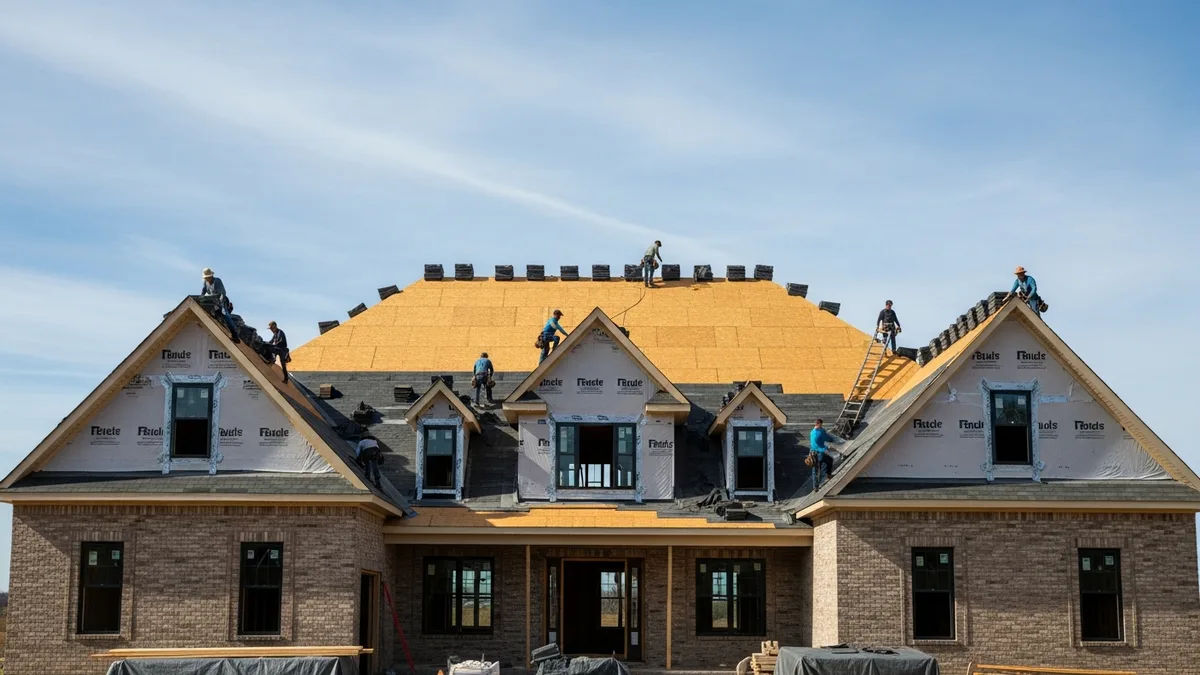
The roof deck — the plywood or OSB sheathing that forms the structural base beneath the shingles — is a component most new home buyers never think about. Production builders in the Gainesville area typically use 7/16-inch OSB (oriented strand board) for roof decking, which meets Virginia building code requirements and performs adequately in normal conditions. However, OSB is more susceptible to moisture damage than plywood. If the decking was exposed to rain during the construction process before the shingles were installed, the edges of OSB panels can swell and never fully recover their original dimensions. This creates uneven spots beneath the shingles that are sometimes visible as subtle waves in the finished roof surface.
During your independent roof inspection on a new Gainesville home, ask the inspector to check the attic side of the decking for signs of moisture exposure, staining, or delamination. If the home sat through extended rain during the framing stage — which is common in Northern Virginia's unpredictable weather — the decking condition is particularly worth verifying. Upgrading to 1/2-inch or 5/8-inch plywood decking is an option some builders offer during construction, and it provides better moisture resistance and a more dimensionally stable substrate for the roofing system. For homeowners buying an already-completed new home, the attic inspection is the primary way to assess decking quality after the fact.
Proper decking condition matters for the long term because any future roof replacement will require sound decking underneath. If deteriorated decking is discovered during a tear-off fifteen years from now, replacing damaged panels adds $1,500 to $4,000 to the project cost depending on the extent of the damage. Starting with quality decking — or at least knowing its current condition — helps you plan accurately for the lifecycle costs of your Gainesville home's roofing system.
Conclusion
New construction roofing in Gainesville VA deserves more attention than most home buyers give it. Understanding what builder-grade means, evaluating whether an upgrade makes sense, getting an independent inspection, and understanding your warranty coverage puts you in a stronger position as a homeowner. The roof is the most expensive single component that protects your home — investing in quality materials and installation at the start saves significant money over the 20 to 30 year lifecycle of the roofing system.
Call us at (571) 570-7930 or book a consultation for new construction roof inspections or upgrade advice in the Gainesville area.