Roofing Materials

At Woodbridge Roofers, the roofing material you choose affects how the roof looks and how it holds up. Which one suits a building depends on its slope, structure and condition, so the right material for a flat roof is not the same as for a pitched one. This page explains popular roofing materials in general terms to help you plan your next roofing project.

The notes below cover the properties and trade-offs of each material. Details vary by product and installer, so treat them as general background and confirm specifics for your roof.

Asphalt Shingles

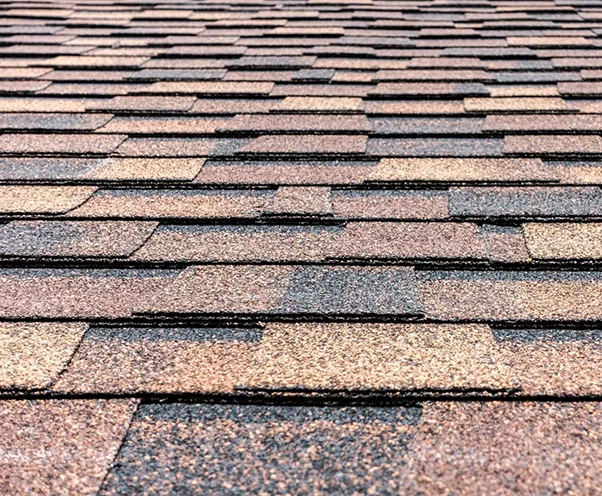
Asphalt shingles are one of the most common roofing materials in the United States because they are widely available and relatively straightforward to install.
Book an In-Home Consultation

Asphalt Shingles Material

Understanding Asphalt for Roofing

Asphalt is widely used in roofing because it sheds water. Asphalt roofing provides a protective layer against rain, snow, and wind, and it has some flexibility to handle the normal expansion and contraction of a roof as temperatures change.

Advantages of Modified Asphalt Roofing

Modified asphalt roofing adds polymers to the asphalt to increase flexibility. Products of this type are often marketed as more resistant to temperature swings and impact, though performance varies by product, so check the specific rating of any shingle you consider.

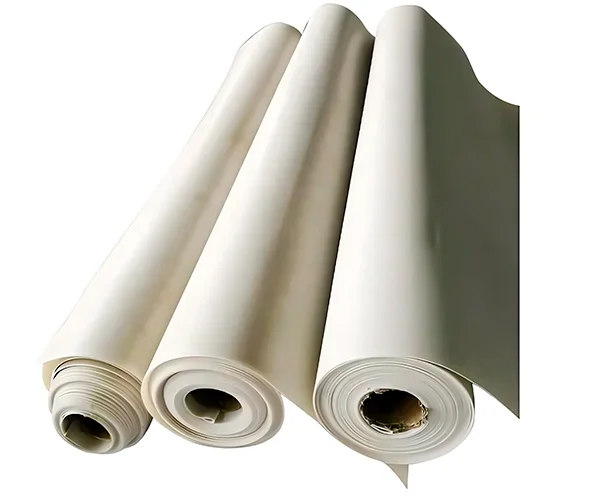
What Is Asphalt Roll Roofing Installation?

Asphalt roll roofing installation involves using large rolls of asphalt-coated material, typically used for low-slope roofs. It is simpler and usually quicker to install than shingles. It does not have the same appearance, so it is mostly used on sheds, garages, and some low-slope residential areas.

Asphalt Shingle Roof Lifespan

The asphalt shingle roof lifespan is typically in the range of 20 to 30 years, depending on the shingle product and installation. Climate, maintenance, and attic ventilation can all shorten or extend that. Periodic inspections and repairing small problems early can help a roof last.
Metal Roof

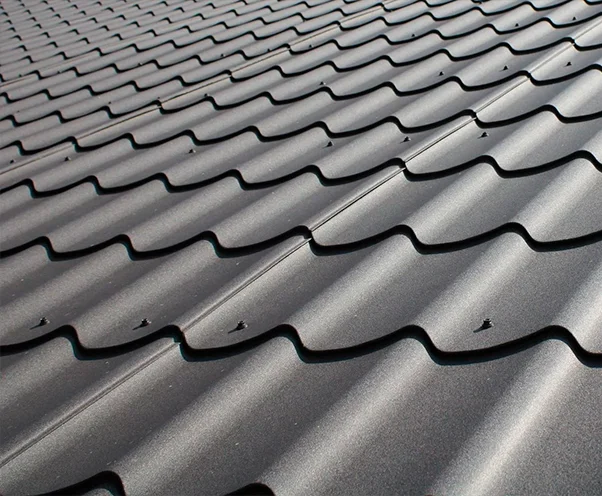
Metal roofing is a durable option with a modern appearance, used on many home styles.

Get a Phone Consultation

Metal Roof Material

Exploring Metal Roof Panels

Metal roof panels are large sheets of metal that give a sleek, contemporary look. Metal is generally durable in snow and wind, and it does not burn, though hail can dent some panels and fasteners and seams still need occasional checking.

Metal Roof Shingles: A Stylish Alternative

For those who prefer the look of traditional shingles but want the benefits of metal, metal roof shingles are one option. They are made to resemble asphalt shingles, wood shakes, or slate tiles. Metal shingles are relatively light, and in some cases can be installed over an existing roof, depending on its condition and local code.

Understanding Metal Roof Corrugated

Metal roof corrugated sheets have a wavy profile that adds stiffness. Corrugated metal roofs have an industrial look and are often used on agricultural buildings, sheds, and some modern residential designs.

Metal Roofing Installation Process

Proper metal roofing installation affects how well the roof performs. The process involves measuring and cutting panels or shingles to fit your roof's dimensions, installing underlayment for added protection, and securely fastening the metal pieces. Careful installation matters because poorly sealed fasteners and flashing are common sources of leaks.

PVC Roof

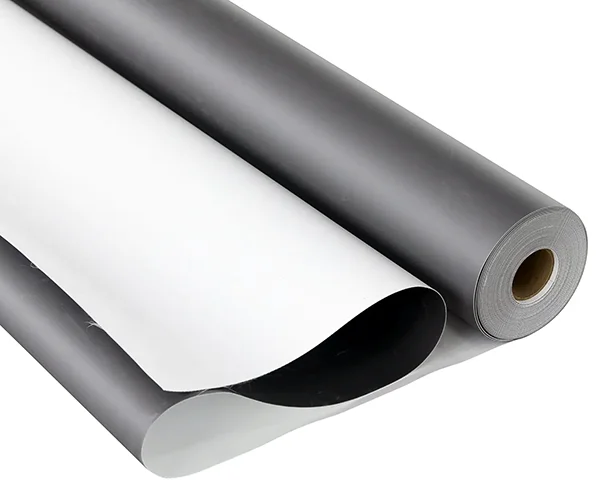
PVC roofing is a single-ply membrane option commonly used on flat or low-slope roofs.

Book an In-Home Consultation

PVC Roof Material

What Is a PVC Roof Membrane?

A PVC roof membrane is a single-ply roofing material made from polyvinyl chloride. It is known for chemical, fire, and UV resistance. PVC membranes are common on commercial buildings but can also be used on residential flat roofs.

Advantages of PVC Roof Panels

PVC roof panels are a rigid form used for certain architectural designs. They are fairly light and are sold in a range of colors and finishes. They are less common than membranes on residential roofs.

Exploring PVC Roof Rolls

PVC roof rolls are sheets of PVC material rolled for easy transport and installation. They are unrolled and adhered or mechanically fastened to the roof substrate. Seams between sheets are heat-welded, which forms a continuous waterproof layer when done correctly.

Can You Get PVC Roof Shingles?

PVC roof shingles exist but are uncommon in this area. They are made to resemble traditional shingles and are generally resistant to mold and mildew. Ask about availability and track record before considering them.

TPO Roof

TPO is a single-ply membrane commonly used on flat and low-slope roofs, usually in a light, reflective color.

Get a Phone Consultation

TPO Roof Material

What Is a TPO Roof?

Wondering what is TPO roof? TPO stands for Thermoplastic Olefin, a single-ply roofing membrane that combines polypropylene and ethylene-propylene rubber. It is designed to resist UV rays, ozone, and chemical exposure.

Benefits of TPO Roof Material

TPO roof material is usually white or light-colored, so it reflects sunlight, which can reduce roof heat in summer. Its smooth surface also tends to resist algae and mold. Recycling options depend on the product and local programs.

Understanding TPO Roof Membranes

TPO roof membranes come in different thicknesses. They can be mechanically attached, fully adhered, or ballasted, offering flexibility in installation methods. When the seams are welded correctly, the membrane forms a watertight layer over the roof.

TPO Roof Installation Process

TPO performance depends heavily on installation. The process involves preparing the roof deck, installing insulation, laying out the TPO membrane, and sealing seams using hot-air welding. Following the manufacturer's installation instructions matters for the roof to perform as intended.