Roof Algae and Moss in Virginia: Causes, Removal, and Prevention
Roof Algae and Moss in Virginia: Causes, Removal, and Prevention
Key Takeaways
- Black streaks on your roof are caused by Gloeocapsa magma cyanobacteria (commonly called "algae"), which feeds on the limestone filler in asphalt shingles
- Algae is primarily cosmetic on asphalt shingles, but moss causes real structural damage by lifting shingle edges, trapping moisture, and accelerating deterioration of the shingle surface
- Virginia's humid climate, especially in communities near waterways like the Occoquan River and Potomac, creates ideal conditions for biological roof growth
- Safe removal uses a low-pressure wash with a 50/50 bleach-water solution — never pressure wash an asphalt shingle roof, as it strips protective granules
- Prevention through algae-resistant shingles (copper/zinc granules) and zinc strip installation is more effective than repeated cleaning
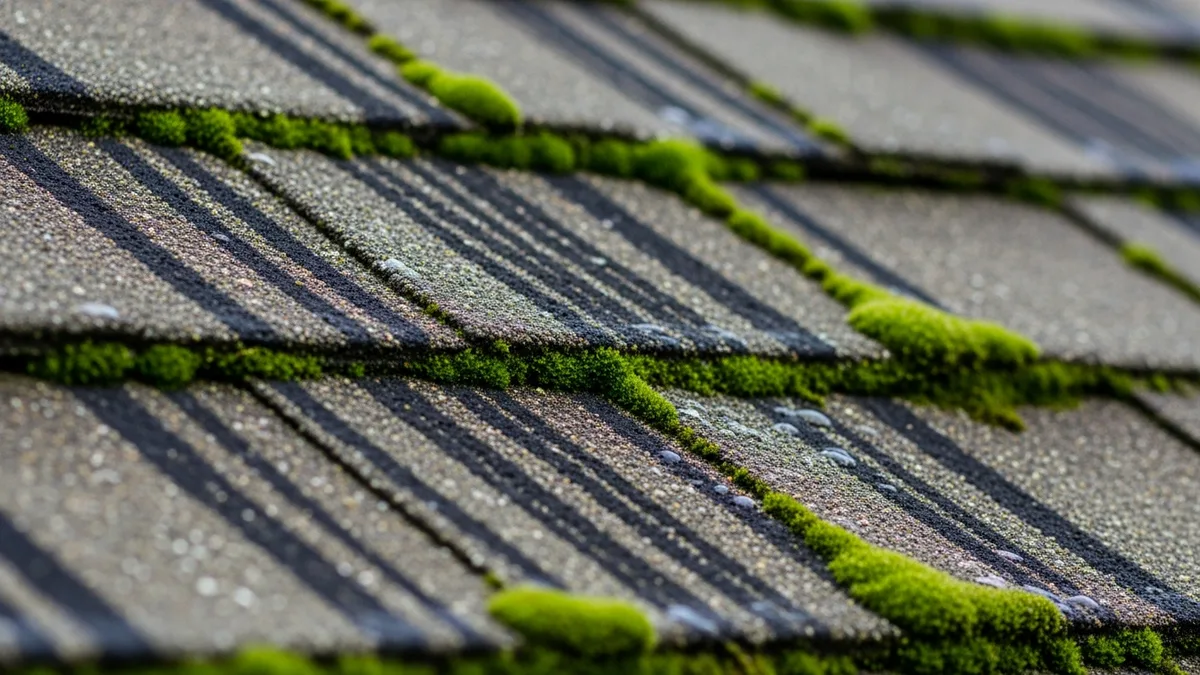
If you've noticed dark black streaks running down your roof or green patches growing on the shaded side, you're looking at biological growth that affects the vast majority of asphalt shingle roofs in Virginia after the first 5 to 10 years of life. The black streaks are Gloeocapsa magma, a cyanobacteria commonly referred to as "roof algae." The green or brown fuzzy growth is moss (typically Dicranoweisia or Grimmia species). They have different causes, different impacts on your roof, and require different approaches to manage.
This guide separates fact from marketing — because the roof cleaning industry has a financial incentive to make algae sound more damaging than it is, while the roofing industry has an incentive to sell algae-resistant shingles. Here's what's actually happening on your Virginia roof and what you should actually do about it.
Understanding Roof Algae (Black Streaks)
What It Is
Gloeocapsa magma is a photosynthetic cyanobacteria (not a true algae, but universally called one in the roofing industry) that colonizes the surface of asphalt shingles. It feeds on the calcium carbonate (limestone) used as filler in the shingle manufacturing process. The dark pigmentation you see is a UV-protective coating the organism produces to shield itself from sunlight — the organism itself is blue-green, but the protective sheath is dark brown to black, which is what creates the characteristic streaking pattern on affected roofs.
Why Virginia Roofs Are Particularly Affected
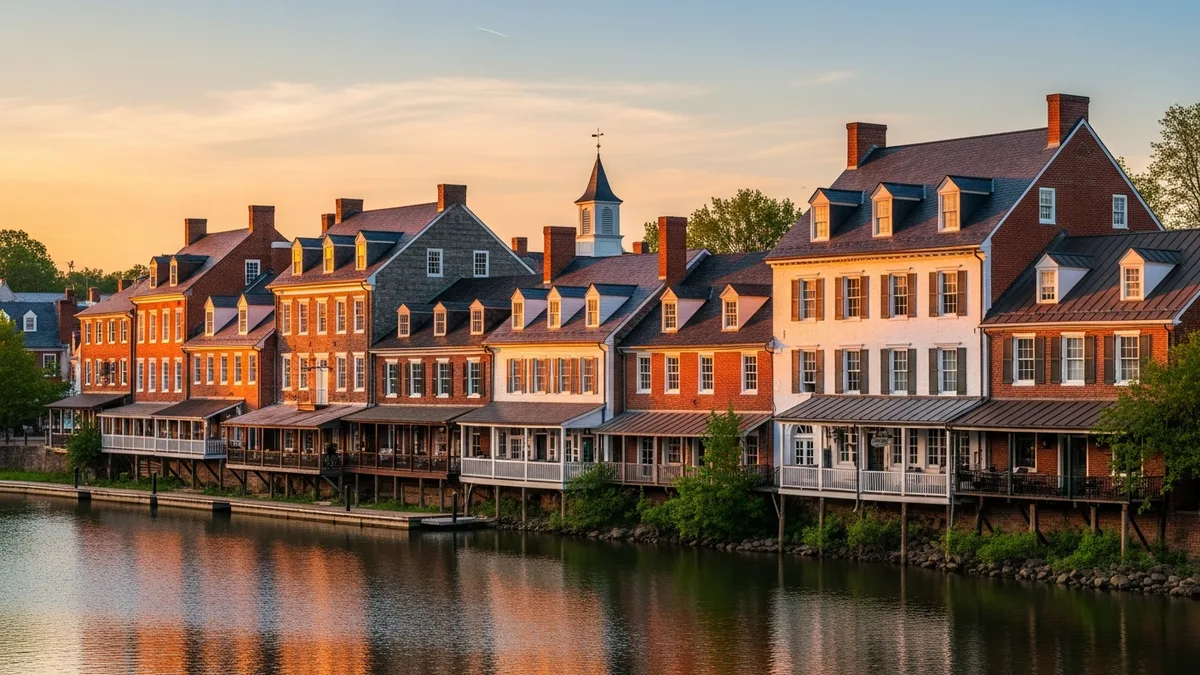
Virginia's climate provides ideal conditions for Gloeocapsa colonization. The warm, humid summers provide the moisture and warmth the organism needs to reproduce. The shaded, north-facing slopes retain moisture longer, creating persistent dampness. Communities near waterways — Occoquan, Dumfries, Lake Ridge — have elevated humidity from water proximity. Mature tree canopy in established neighborhoods provides shade that promotes colonization.
Does Algae Actually Damage Your Roof?
Here's the honest answer: algae on asphalt shingles is primarily a cosmetic issue. The organism feeds on the limestone filler, not on the asphalt or the fiberglass mat that provides the shingle's structural integrity. Some industry sources claim algae reduces shingle reflectivity and increases cooling costs, which is technically true but the measurable impact is modest — a few dollars per month in additional cooling, not the dramatic increase some cleaning companies suggest.
The real reason to address algae is curb appeal and property value. A roof covered in black streaks looks aged and neglected, which affects your home's appearance and can reduce its perceived value by potential buyers. If you're planning to sell your home in the next few years, cleaning algae off the roof is one of the highest-return cosmetic improvements you can make.
Understanding Roof Moss
What It Is and Why It's More Serious
Moss is a true plant with root-like structures (rhizoids) that anchor it to the shingle surface. Unlike algae, moss causes real structural damage to asphalt shingles through several mechanisms: the rhizoids penetrate into the shingle granule layer and the felt mat underneath; moss growth at shingle edges physically lifts the tabs, breaking the adhesive seal and creating gaps for water entry; the moss body holds moisture against the shingle surface for extended periods, accelerating granule loss and mat deterioration; and moss traps debris that further holds moisture and blocks drainage.
A roof with extensive moss growth can lose years of effective lifespan compared to a clean roof of the same age. Moss damage is cumulative and progressive — it gets worse each year and accelerates as the moss colony grows. Addressing moss early is important because removal becomes more difficult and the underlying damage more extensive as the growth matures.
Where Moss Grows on Virginia Roofs
Moss needs persistent moisture and shade to establish. On Northern Virginia roofs, it's most commonly found on north-facing slopes that receive minimal direct sunlight, in areas under heavy tree canopy (common in Fairfax Station, Lake Ridge, and Montclair), in valleys and behind dormers where debris accumulates and shade persists, and at the base of chimneys and wall transitions on the shaded side.
Safe Removal Methods
For Algae (Black Streaks)
The industry-recommended method for removing algae from asphalt shingles is a low-pressure chemical wash using a 50/50 solution of household bleach (sodium hypochlorite) and water, applied with a garden sprayer and rinsed with a garden hose (not a pressure washer). The Asphalt Roofing Manufacturers Association (ARMA) specifically recommends this approach. Steps include spraying the solution on the affected areas, letting it sit for 15 to 20 minutes, then rinsing with low-pressure water from a garden hose. Protect landscaping below by wetting plants before application and rinsing them thoroughly after.
Critical warning: Never use a pressure washer on asphalt shingles. High-pressure water strips the granule coating that protects the shingle from UV damage. A pressure-washed roof may look clean immediately, but the granule loss shortens the roof's remaining life by years.
For Moss
Moss removal requires a two-step approach. First, apply a moss-specific treatment product (zinc sulfate or potassium salts) and allow it to work for several days. The treatment kills the moss but doesn't remove it immediately. Second, after the moss has died and dried (typically 5 to 7 days), gently brush it off with a soft-bristle brush, working downslope to avoid lifting shingle edges. Again, never pressure wash. For thick, established moss, the process may need to be repeated. Heavy moss that has penetrated deeply into the shingle surface may have caused irreversible damage to the shingles underneath.
Prevention Strategies
Algae-Resistant Shingles
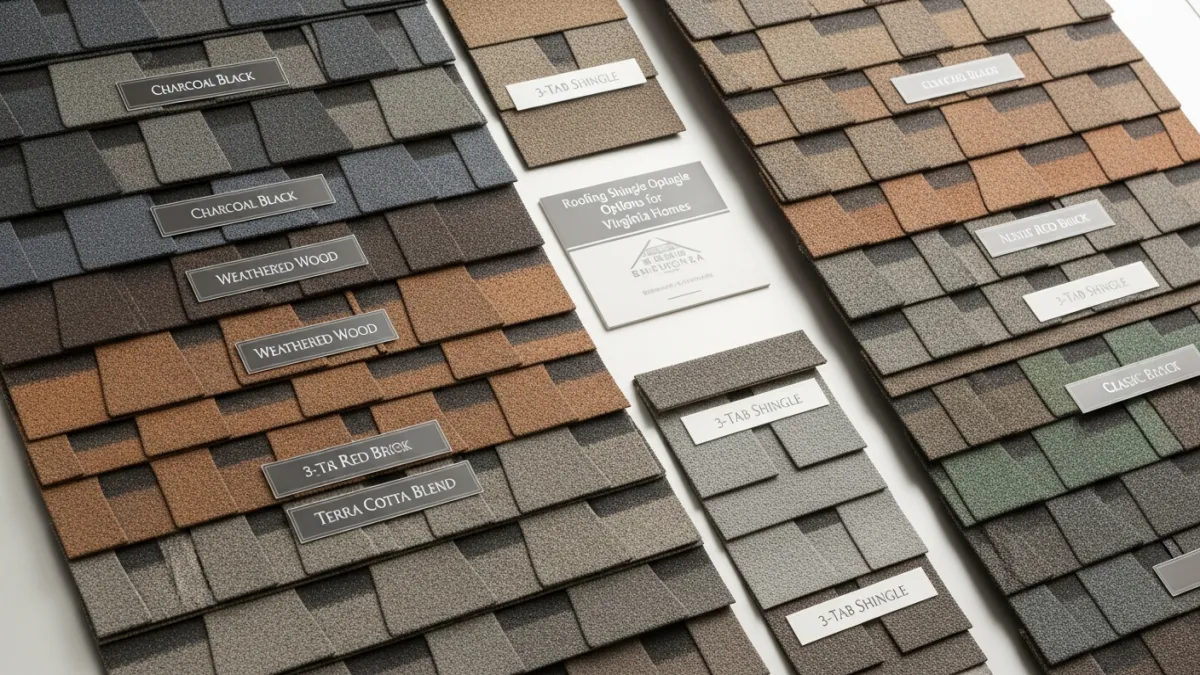
The most effective long-term algae prevention is installing shingles with copper or zinc granules incorporated into the surface. These metals are toxic to Gloeocapsa magma at the low concentrations released by rainwater flowing over the granules. Products like GAF's StainGuard Plus, Owens Corning's StreakGuard, and CertainTeed's StreakFighter provide 15 to 25 years of algae protection. When your roof is due for replacement, specifying algae-resistant shingles adds minimal cost and prevents the issue entirely.
Zinc Strips
For existing roofs without algae-resistant shingles, zinc strips installed along the ridge provide partial prevention. When rain flows over the zinc, it carries small amounts of zinc ions down the roof surface, inhibiting algae and moss growth. The protection is strongest near the strip and diminishes further down the slope. Multiple strips installed at 8 to 10 foot intervals provide more even coverage on longer slopes. Cost is $300 to $600 installed for a typical residential roof.
Tree Management
Reducing shade on the roof surface slows biological growth significantly. Trim branches back at least six feet from the roof and thin the canopy above the roof to increase sunlight and air circulation. You don't need to remove trees entirely — selective trimming to increase light on north-facing slopes and reduce debris accumulation makes a meaningful difference.
Cost of Algae and Moss Treatment
| Service | Low End | High End | Notes |
|---|---|---|---|
| Algae wash (whole roof) | $300 | $700 | Low-pressure chemical treatment |
| Moss treatment and removal | $400 | $1,000 | Chemical treatment + brushing |
| Zinc strip installation | $300 | $600 | Long-term prevention |
| Algae-resistant re-roof | $8,500 | $16,000 | Permanent solution at replacement |
When Biological Growth Means Your Roof Needs Replacement
There's a point where cleaning is no longer the right answer. If moss has been growing unchecked on your roof for several years, the underlying shingle damage may be extensive enough that removal reveals a roof surface that's already past its functional life. Heavy moss growth that has penetrated deeply into the shingle mat leaves the felt layer compromised even after the moss is removed. Shingles with significant granule loss from prolonged moss coverage have reduced UV protection and will deteriorate rapidly after cleaning. In these cases, the money spent on professional cleaning would be better directed toward a full roof replacement with algae-resistant shingles that prevent the problem from recurring.
A professional inspection can determine whether cleaning or replacement is the more cost-effective path. The inspector will assess the overall shingle condition underneath the biological growth, check for deck damage from prolonged moisture exposure, and evaluate whether the remaining shingle life justifies the cleaning investment. If your roof is already 15 to 18 years old and has significant moss coverage, replacement is usually the smarter investment because the shingles are nearing the end of their lifespan regardless of the biological growth.
Seasonal Timing for Treatment in Northern Virginia
The best time to treat algae and moss in Northern Virginia is late spring through early fall when temperatures are consistently above 50 degrees Fahrenheit. Chemical treatments are most effective in warmer conditions because the active ingredients work faster and the organisms are actively growing. Avoid treating during the hottest summer afternoons — the bleach solution can evaporate too quickly to be effective on sun-exposed slopes. Early morning or overcast days provide the best conditions for treatment. For moss specifically, fall treatment (September through October) works well because the moss is still active but the cooler temperatures reduce the risk of bleach damage to surrounding landscaping. Schedule any needed spring inspections early so treatment can begin before the summer growth season accelerates the problem.
Conclusion
Algae and moss are virtually inevitable on unprotected asphalt shingle roofs in Virginia's humid climate. The key distinction is that algae is primarily cosmetic while moss causes real structural damage. Address moss promptly, manage algae based on your curb appeal priorities, and when your roof is replaced, specify algae-resistant shingles to prevent the issue from recurring. For roofs already showing heavy biological growth, professional cleaning using the correct low-pressure method extends the remaining life while maintaining the protective granule coating.
Call us at (571) 570-7930 or book a consultation about biological growth on your Virginia roof.