Roofing Contractor in Fairfax Station VA: Large Lot Expertise
Roofing Contractor in Fairfax Station VA: Large Lot Expertise
Key Takeaways
- Fairfax Station VA features larger homes on bigger lots compared to surrounding communities, with more complex roof lines that require experienced contractors
- Roof replacement costs in Fairfax Station range from $10,000 to $22,000 for architectural shingles due to the area's larger-than-average home sizes
- The heavy tree canopy in Fairfax Station neighborhoods creates persistent shade that accelerates algae growth and increases storm damage risk from branch impacts
- Many Fairfax Station homes were built in the 1980s and 1990s, meaning second-generation roofs on early homes are now aging and approaching replacement
- Fairfax County building permits are required for roof replacements, with permit fees and code requirements that differ from Prince William County
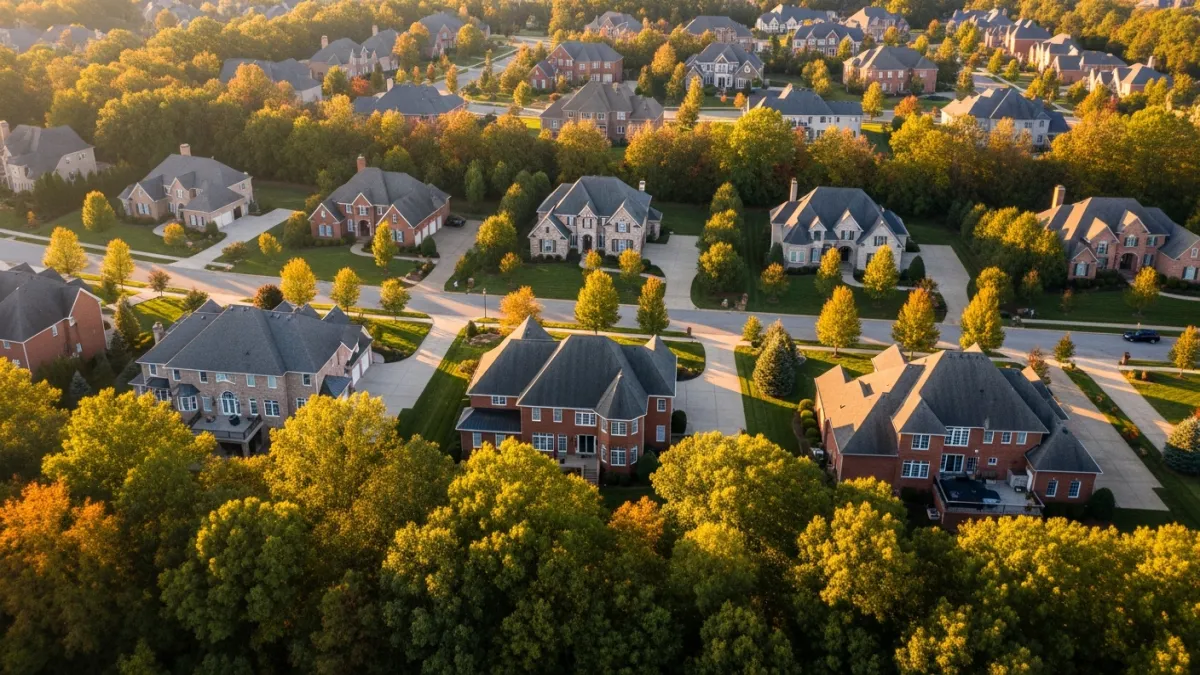
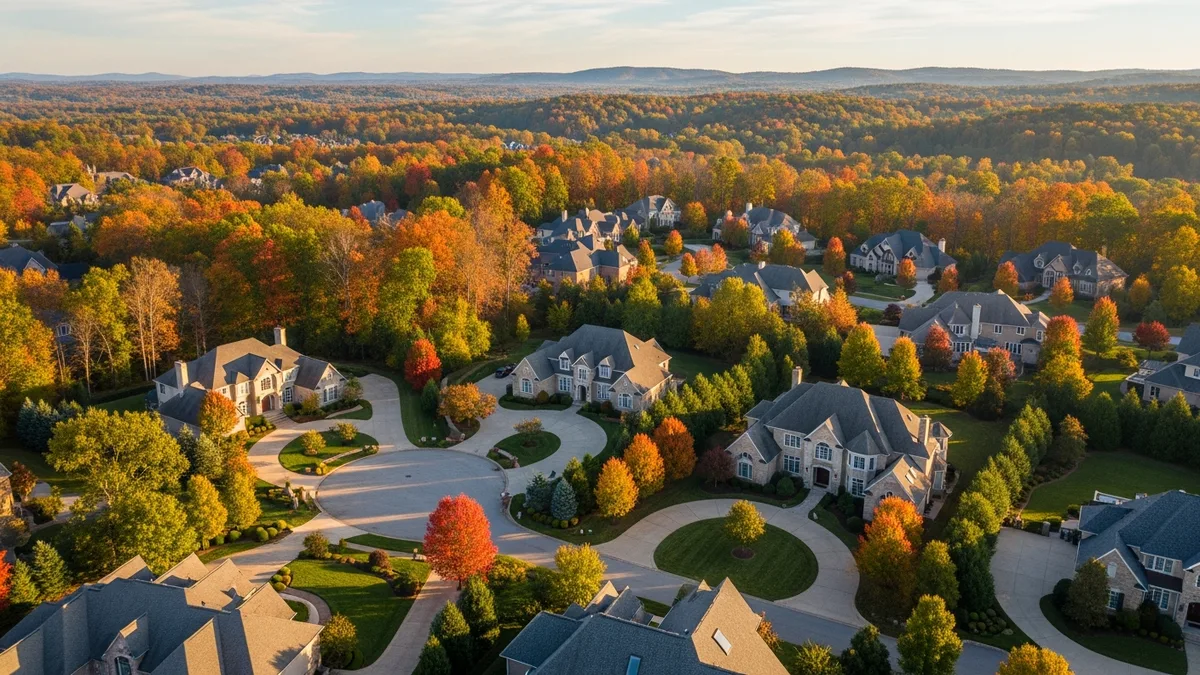
Fairfax Station sits in the southern part of Fairfax County between Burke, Lorton, and Clifton, and it has a distinctly different character from the more densely developed communities around it. Homes here tend to be larger, sit on bigger lots (often half-acre to two acres), and are surrounded by mature hardwood trees that give the area its rural-suburban feel. From a roofing perspective, these characteristics create specific challenges: larger roof areas with more complex designs (multiple ridges, valleys, dormers, and varying pitches), heavy tree coverage that affects material performance, and longer distances between homes that can affect logistics and access.
Finding the right roofing contractor in Fairfax Station VA means choosing a company experienced with the type of homes found here — not the production-built townhomes and standard colonials that dominate communities like Dale City or Centreville, but the custom and semi-custom homes with larger footprints and more intricate roof designs that require more material, more labor, and more attention to the numerous flashing transitions where most leaks originate.
This guide covers what makes Fairfax Station roofing different, material recommendations for this area's wooded environment, Fairfax County permitting specifics, costs adjusted for the area's larger homes, and how to choose a contractor who regularly works on the type of properties found in Fairfax Station's established neighborhoods.
What Makes Fairfax Station Roofing Different
Larger, More Complex Roof Systems
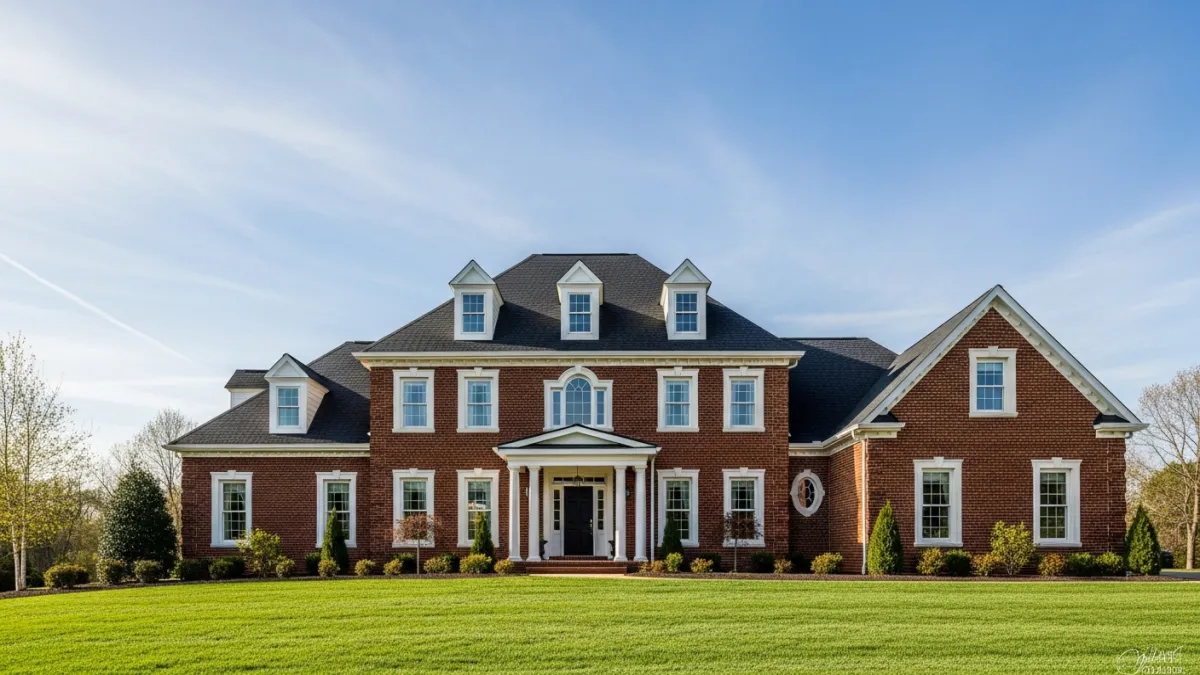
Fairfax Station homes average 2,500 to 4,500 square feet of living space, with roof areas significantly larger than the typical 1,800 to 2,200 square foot homes in surrounding communities. More importantly, the roof designs are more complex. Custom and semi-custom homes from the 1980s and 1990s building era feature multiple gable and hip combinations, numerous dormers, multiple chimneys, skylights, and roof-to-wall transitions. Each of these architectural features requires precise flashing work, and flashing transitions are where the vast majority of roof leaks originate. A contractor who primarily works on simple gable-to-gable production homes may lack experience with the more intricate flashing details that Fairfax Station's custom homes demand.
Heavy Tree Canopy
Fairfax Station's lots are heavily wooded with mature oaks, maples, beeches, hickories, and tulip poplars. This tree coverage is one of the area's most attractive features — and one of the biggest challenges for roof longevity. The persistent shade from these mature trees keeps north-facing slopes damp, promotes algae and moss growth, deposits leaves, needles, and small branches onto the roof surface, and creates above-average risk for limb-fall damage during storms. Homes adjacent to Burke Lake Park and the Occoquan watershed areas have particularly dense canopy coverage.
Fairfax County Permitting
Fairfax County requires building permits for full roof replacements. The permitting process, fees, and inspection requirements differ from Prince William County — a detail that matters if your contractor works primarily in the neighboring county. Fairfax County permit fees typically range from $100 to $350 depending on the scope. Code requirements include proper underlayment, ice-and-water shield at eaves and valleys, current fastener patterns, and adequate ventilation. Your contractor should handle permit application, fee payment, and inspection scheduling as part of their scope of services.
Roofing Materials for Fairfax Station Homes
Material selection for Fairfax Station homes should account for the wooded environment, the larger roof areas, and the aesthetic expectations of the community:
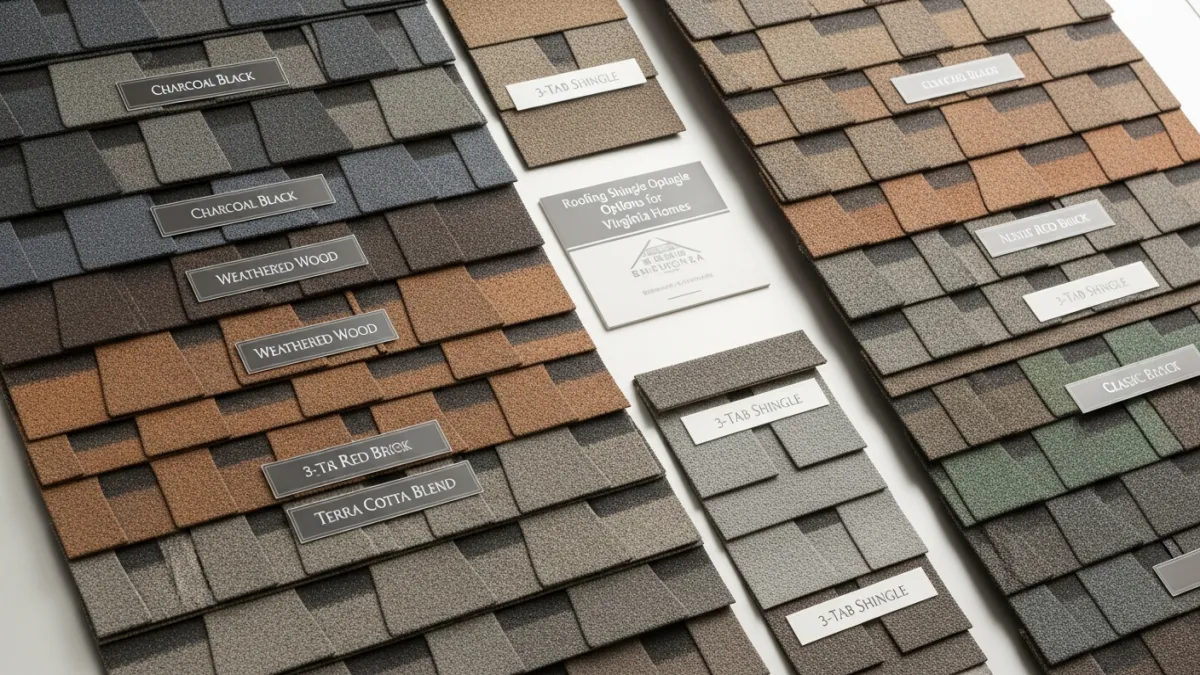
- Premium architectural shingles with algae resistance: Products like GAF Timberline HDZ with StainGuard Plus or Owens Corning Duration with StreakGuard are the minimum recommendation. The algae resistance is essential given the heavy shade coverage. Premium product lines provide better wind resistance, longer warranty coverage, and a more substantial dimensional appearance appropriate for Fairfax Station's larger homes
- Impact-resistant shingles: Given the tree coverage and the associated risk of branch impacts, Class 4 impact-resistant shingles (like GAF Timberline AS II) provide measurable additional protection. Some insurance carriers offer 5 to 15 percent premium discounts for Class 4 products
- Standing seam metal: Many Fairfax Station properties have no HOA restrictions, making metal a viable option. The 40 to 60 year lifespan, zero algae concerns, and debris-shedding surface are particularly advantageous in this wooded environment. Metal complements the upscale character of many Fairfax Station homes
- Designer shingles: For larger custom homes where visual impact matters, designer products like GAF Grand Sequoia, CertainTeed Grand Manor, or Owens Corning Berkshire provide a dramatic, substantial appearance that matches the scale of Fairfax Station homes
Cost of Roofing in Fairfax Station VA
Roofing costs in Fairfax Station run higher than the Woodbridge/Dale City area primarily because of larger home sizes and more complex roof designs. Here are realistic ranges for the most common projects:
| Service / Material | Low End | High End | Notes |
|---|---|---|---|
| Architectural shingles | $10,000 | $22,000 | Larger homes, complex designs |
| Standing seam metal | $20,000 | $35,000 | No HOA restrictions on many lots |
| Designer shingles | $14,000 | $28,000 | Premium appearance for custom homes |
| Localized repair | $400 | $2,000 | Scope dependent |
| Fairfax County permit | $100 | $350 | Required for full replacement |
Prices shown are typical ranges for Fairfax County as of 2025. Fairfax Station homes trend toward the higher end of these ranges due to larger roof areas and greater design complexity. Contact us for a free on-site estimate.
Choosing a Roofing Contractor for Fairfax Station
- Experience with custom homes: Ask specifically about projects on homes over 3,000 square feet with complex roof lines. Request photos or references from similar-scale homes
- Fairfax County permit experience: If the contractor works primarily in Prince William County, confirm they're familiar with Fairfax County's permitting process and code requirements
- Virginia DPOR license and insurance: Non-negotiable. Verify directly through the DPOR database and with insurance carriers
- Multi-day project management: Larger Fairfax Station homes may require two to four days of installation. Ask how the contractor manages multi-day projects, particularly weather contingencies and site security overnight
- Tree-related expertise: A contractor experienced in Fairfax Station should proactively discuss algae-resistant materials, debris management, and the impact of tree proximity on the installation and ongoing maintenance
Maintenance for Fairfax Station Homeowners
- Gutter cleaning three times per year: The heavy tree canopy in Fairfax Station may require cleaning in late spring, late summer (after seed season for certain trees), and late fall
- Valley and dormer debris removal: Clear these areas after significant storms and during seasonal cleanings
- Annual tree assessment: Have a certified arborist evaluate trees within striking distance of the home. Remove dead wood and limbs that overhang the roof by less than six feet
- Moss and algae monitoring: Check north-facing slopes annually for moss growth. Address moss promptly before it causes structural damage to shingle edges
- Professional roof inspection: Annual inspections are essential for Fairfax Station's complex roofs. The numerous flashing transitions, valleys, and penetrations provide more potential failure points that need regular monitoring
Storm Damage Considerations for Fairfax Station
The dense tree canopy that defines Fairfax Station's landscape also makes these homes more vulnerable to storm damage than properties in open-lot communities. Summer thunderstorms and microbursts frequently bring down branches ranging from small limbs to entire trees, and homes surrounded by mature hardwoods face a higher probability of direct impact damage during severe weather events. When a large branch falls on a roof, the damage often extends beyond the visible impact point — the force can crack decking, displace underlayment, and compromise flashing at nearby transitions, all of which may not be apparent from a ground-level assessment.
After any significant storm, Fairfax Station homeowners should arrange for a professional roof inspection rather than relying on a visual check from the ground. The complex roof geometries on most Fairfax Station homes create blind spots where damage hides behind dormers, in valleys between intersecting roof planes, and at the numerous roof-to-wall transitions. A contractor experienced with these home styles knows where to look for the less obvious damage that accompanies branch impacts. If the damage warrants an insurance claim, having your contractor present during the adjuster's inspection ensures that all affected components are documented. For the full claims process, see our guide on filing a roof insurance claim in Virginia.
Ventilation and Insulation on Larger Fairfax Station Homes
Larger homes with complex attic configurations present unique ventilation challenges. Many Fairfax Station homes have multiple attic spaces separated by varying roof planes, bonus rooms over garages, and cathedral ceiling sections that require different ventilation strategies than standard open-attic designs. When the roof is replaced, each attic section needs to be evaluated independently for adequate intake and exhaust. A common issue on homes of this era is insufficient soffit intake — either because the original construction used too few soffit vents or because blown-in insulation has blocked the airflow path at the eaves. Installing proper baffles at every rafter bay and verifying clear soffit channels across all attic sections ensures the ventilation system functions as designed, extending shingle life and preventing moisture-related issues in the attic space. For homes with cathedral ceiling sections, hot roof assemblies with spray foam insulation directly against the underside of the roof deck may be the only viable ventilation approach — a detail your contractor should evaluate during the pre-installation assessment.
Conclusion
Fairfax Station's larger custom homes on wooded lots demand a roofing contractor with experience handling complex roof systems in heavily treed environments. The combination of bigger roof areas, more intricate flashing details, tree-related challenges, and Fairfax County permitting requirements means the standard approach that works well on production-built homes in other communities may not be sufficient here. Choose a contractor who regularly works on custom homes of this scale and who understands the specific demands of Fairfax Station's wooded landscape.
Call us at (571) 570-7930 or book a free consultation for your Fairfax Station roofing project.