EPDM Roofing in Fairfax, VA
What is EPDM, and is it right for a low-slope roof on a Fairfax townhouse?
EPDM is a black rubber sheet made in large widths, so a small Fairfax townhouse or porch roof can often be covered with very few seams. It stays flexible in winter and patches easily. Outside the Old Town overlay, townhouse changes need no architectural approval, but ask Code Administration at 703-385-7830 about a permit.
Key facts for Fairfax
- The City of Fairfax says owners of single-family homes and townhouses outside the Old Town Fairfax Historic Overlay District need no architectural approval to change a home's appearance (city BAR guide).
- Inside the Old Town overlay, call planning staff at 703-385-7930 before choosing a roof, because the rules differ from the rest of the city.
- Building permits come from city Code Administration at 703-385-7830, and architectural approval does not replace them.
- Statewide code language summarized by Prince William County exempts roof covering replacement on houses unless design wind speed exceeds 100 miles per hour (county summary).
- The same summary exempts work of 100 square feet or less, which can matter for a small porch or addition roof.
- Fairfax is an independent city, so Fairfax County permit pages do not govern a house inside the city boundary.
Rubber Over Small Spans
Most roofs in Fairfax shed water down a slope. The exceptions are small: a porch, a rear addition, a dormer cheek or the low-slope strip on a townhouse. That is where a rubber membrane shines, because one sheet can cross the whole area.
EPDM comes in wide rolls, so a modest roof may need one sheet or two, and every seam avoided is a leak path avoided. The rubber stays supple in freezing weather and takes patches readily. Its dark surface absorbs heat, which is the main trade-off in a Fairfax summer.
A 15-minute phone consultation at (571) 570-7930 is the place to start. Describe the roof's size, its slope, what meets it at the walls and where water leaves it, and we will say whether a rubber sheet, a repair or a different material fits.
Where do Fairfax homes have flat or low-slope roofs?
Townhouse rows are the common case: the main roof is pitched, but a rear bump-out, a stair tower cap or a covered entry may be nearly flat. Additions built decades after a house, such as sunrooms, add the same kind of roof, and they often sit against a wall and a gutter where leaks begin.
Because these are small, the membrane is rarely the cost driver. Flashing against the wall, a drain or scupper and the edge detail take most of the thought. A sheet laid perfectly flat still leaks if the wall flashing was left short.
Does an EPDM roof need approval in the City of Fairfax?
The city's own guide says houses and townhouses outside the Old Town Fairfax Historic Overlay District need no architectural approval for appearance changes, and repairs or in-kind replacements are exempt even inside it. A black roof over an Old Town house is a different conversation, so ask planning staff first.
Permits are separate. State code language that Prince William County summarizes exempts roof covering replacement on houses unless the design wind speed tops 100 miles per hour, and exempts work of 100 square feet or less. Ask Code Administration whether that reading applies to your roof and whether any deck repair changes the answer.
Ballasted, adhered or fastened: how is the sheet held down?
Three methods are common. Ballasted sheets sit under loose stone, which is heavy and rarely suited to a wood-framed townhouse. Fully adhered sheets are glued to the insulation or deck and look the cleanest. Mechanically attached ones are fastened through plates and cover large areas quickly.
Seams are joined with tape or splice adhesive, and corners and wall edges get pre-formed pieces or cured flashing. Ask which is planned for each, what the termination bar at the wall looks like and how a drain is cut in. Ask for tapered insulation where water sits after a storm.
When is EPDM not the right material, and when is repair enough?
If a roof carries heavy foot traffic, a lot of rooftop equipment or kitchen grease, another membrane may last longer. If the roof is large and dark heat will raise cooling costs, a white sheet is worth discussing. If the building falls in the Old Town overlay, check color rules before ordering.
Repair often wins on a young sheet. A cut, a lifted seam or a dried flashing can be patched with rubber and primer, and a stopped drain is cleared for little effort. Replacement is for wet insulation, widespread shrinkage or a deck that has softened.
EPDM FLAT ROOF DETAILS FOR FAIRFAX BUILDINGS
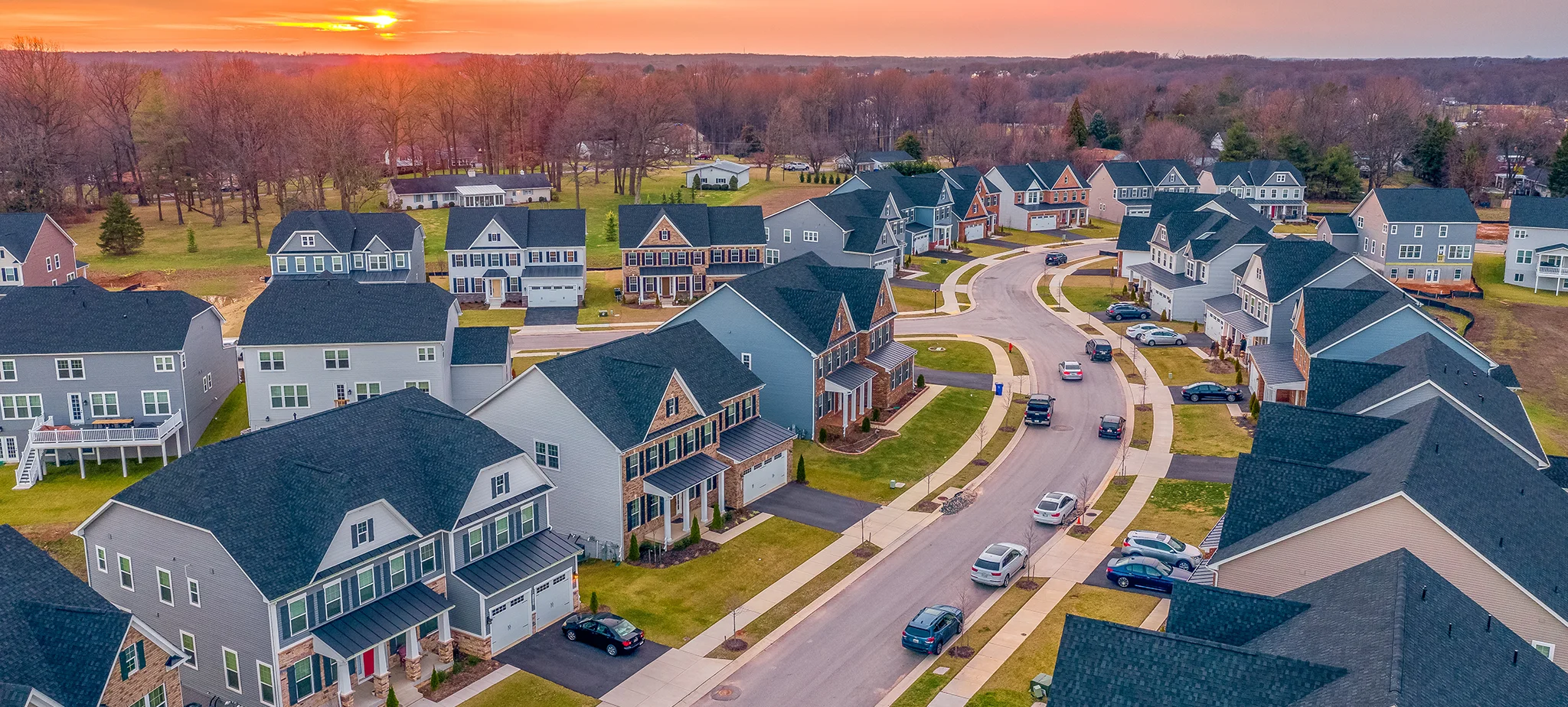
HOW THE MEMBRANE IS ATTACHED
On a Fairfax townhouse or addition, EPDM is usually fully adhered or mechanically attached. Ballast is heavy for wood framing. Ask how the sheet is held at the edges, since wind lifts a roof there first.
SEAMS AND FLASHINGS
A wide sheet leaves few field seams. Those that remain use tape or splice adhesive, and corners and penetrations use shaped pieces. Check that the wall flashing runs well above the roof surface.

INSULATION AND DRAINAGE
Small flat roofs on townhouses often drain to a single scupper or a rear gutter. A slight taper in the insulation leaves no standing water, and an overflow path protects the wall if the drain clogs.
REPAIR OR REPLACE
A cut, a failed seam strip or dry flashing is a repair job on EPDM. A sheet that has shrunk and pulled from the walls, or wet insulation underneath, points to replacement.
Fairfax EPDM roofing questions
EPDM Roofing Nearby
Also in Fairfax: TPO roofing or PVC roofing. Compare roofing materials or read about commercial flat roofing in Woodbridge.