Roofing for Historic Homes in Occoquan VA: Preservation Meets Performance
Roofing for Historic Homes in Occoquan VA: Preservation Meets Performance
Key Takeaways
- Occoquan's Historic District is listed on both the National Register of Historic Places and the Virginia Landmarks Register, with architectural review requirements for properties within the district
- Historic roofing in Occoquan involves balancing preservation of the building's character with modern performance and code compliance
- Modern synthetic slate and standing seam metal provide historically appropriate aesthetics with better performance, lower weight, and lower cost than original natural materials
- Historic roof projects in Occoquan can cost $12,000 to $35,000+ depending on material type, building complexity, and preservation requirements
- Choosing a contractor experienced with both historic properties and modern roofing systems is essential — the skill set is different from standard residential roofing
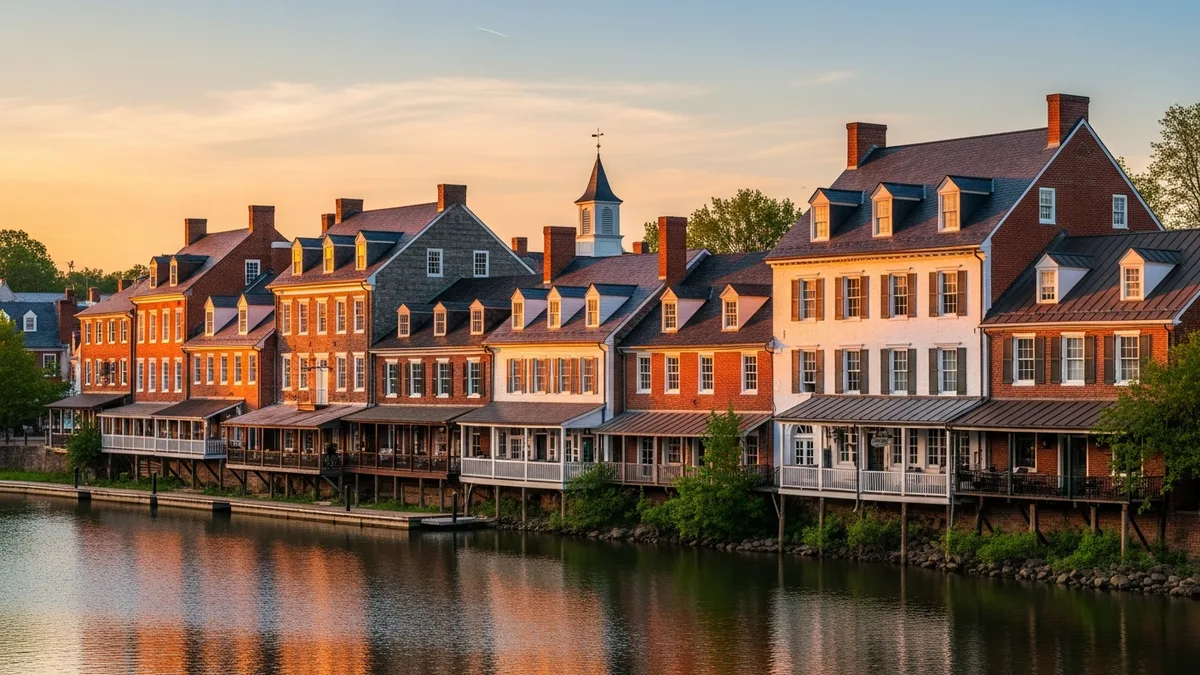
The Town of Occoquan sits along the Occoquan River in eastern Prince William County, and its historic downtown district preserves a collection of 18th and 19th century buildings that give the town its distinctive character. Roofing these historic properties in Occoquan requires a different approach than standard residential roofing — one that respects the building's architectural heritage while providing the weather protection and longevity that modern materials can deliver.
This guide addresses the specific challenges of roofing historic homes in Occoquan: the review process for properties in the historic district, material options that balance preservation with performance, structural considerations on older buildings, the specialized expertise required, and realistic costs for these unique projects.
Occoquan Historic District Requirements
Properties within the Occoquan Historic District are subject to architectural review for exterior modifications, including roofing. The review ensures that changes to the building's exterior maintain the visual character that earned the district its historic designations. The review typically evaluates material appropriateness (does the proposed material complement the building's era and style), color selection (historically appropriate color palette), and visual impact (how the change affects the building's appearance and the district's overall character).
Contact the Town of Occoquan before beginning any roofing project on a property within or near the historic district to determine whether review is required for your specific property and scope of work. The review process adds time to your project — typically two to six weeks — so factor this into your planning.
Historic-Compatible Roofing Materials
Natural Slate
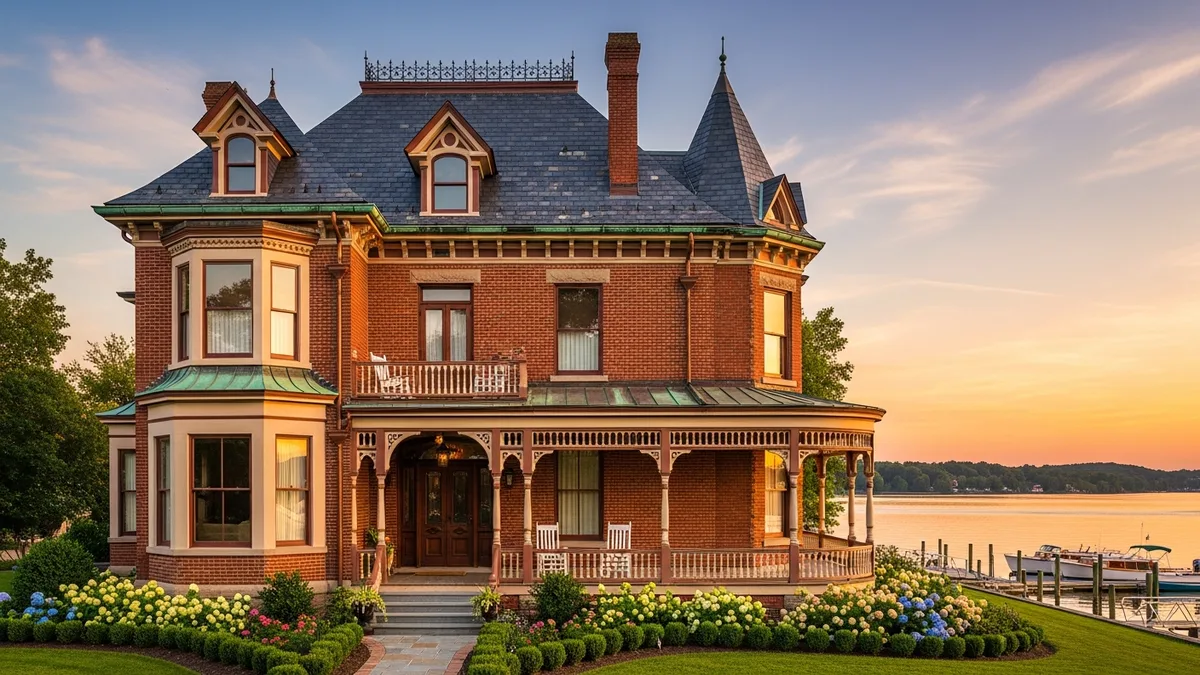
Natural slate was the original roofing material on many of Occoquan's oldest buildings. It provides an authentic appearance that no synthetic product can perfectly replicate, a lifespan of 75 to 150 years when properly installed, fire resistance, and excellent weather performance. However, natural slate also has significant weight (700 to 800 pounds per square versus 250 to 300 for asphalt shingles), which many historic structures were designed to carry but which limits replacement options on buildings that have been structurally modified. It requires specialized installation expertise that fewer contractors possess. Material cost is $800 to $1,600 per square (100 square feet) before installation. For buildings with original slate in good condition, slate repair (replacing individual broken or missing slates) is often preferable to full replacement because it preserves the original material while addressing specific failures.
Synthetic Slate
Synthetic slate products (DaVinci Roofscapes, CertainTeed Symphony, EcoStar) provide a historically compatible appearance at 25 to 50 percent of the weight of natural slate. This reduced weight is particularly important for older Occoquan buildings where the roof structure may not support the full weight of natural slate after decades of aging. Synthetic slate provides a 40 to 60 year lifespan, Class 4 impact resistance on most products, 110+ mph wind resistance, and a wide range of colors and profiles that can match various historic slate patterns. Installed cost is $15,000 to $25,000 for a typical Occoquan historic building, compared to $25,000 to $45,000 for natural slate.
Standing Seam Metal
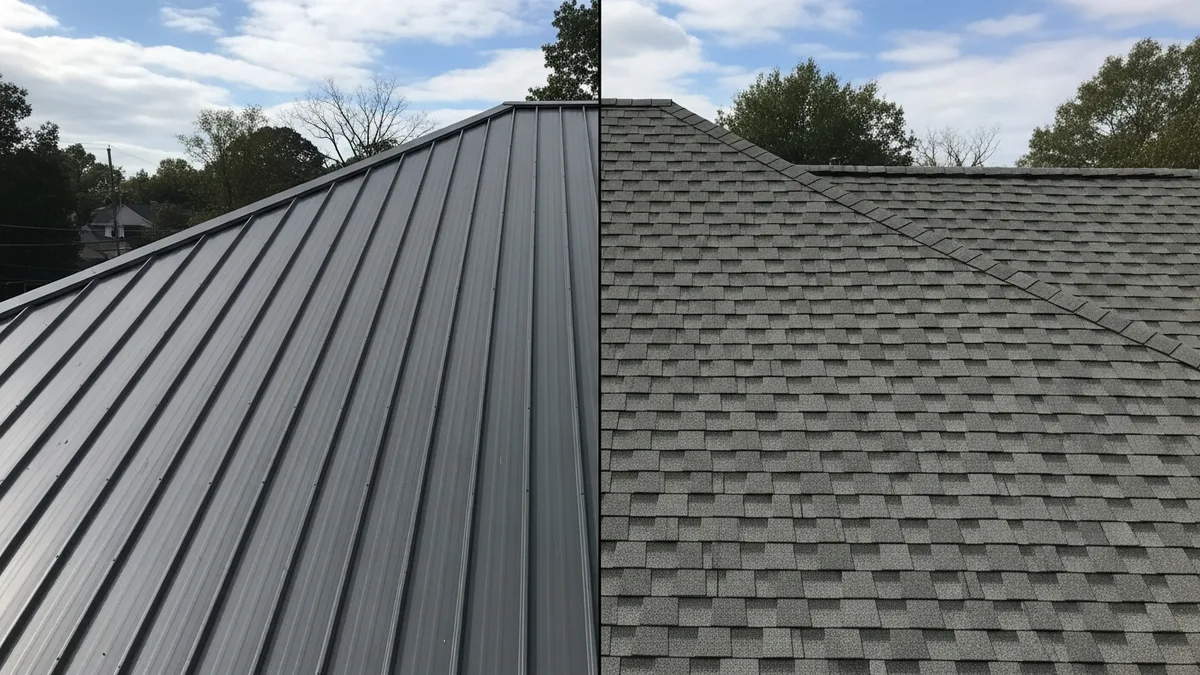
Standing seam metal was a common historic roofing material in Virginia, making it inherently appropriate for many Occoquan historic buildings. Modern standing seam systems use the same visual profile as historic installations but with contemporary materials (galvalume, aluminum, copper) that provide superior longevity and weather performance. Standing seam metal is particularly well-suited for Occoquan's riverside environment because it resists algae growth, sheds debris naturally, and handles the area's elevated humidity without deterioration. Colors like dark bronze, charcoal, and aged copper complement most historic building styles. Installed cost for standing seam metal on an Occoquan historic building is $18,000 to $30,000.
Wood Shake-Look Designer Shingles
For buildings where wood shake was the original roofing material, modern designer shingles (GAF Grand Sequoia, CertainTeed Grand Manor) provide a similar visual profile with fire resistance, longer lifespan, and lower maintenance. These products are not as historically precise as synthetic slate or standing seam metal, but they're accepted by many preservation reviews as appropriate alternatives that evoke the character of original wood roofing.
Structural Considerations for Older Buildings
- Load-bearing capacity: The roof structure of a 150-year-old building may have been modified, repaired, or weakened over the decades. Before selecting materials, assess whether the structure can support the weight of the proposed roofing system. Synthetic slate and standing seam metal are significantly lighter than natural slate, making them viable options for structures that can't carry the original material's weight
- Framing condition: Inspect all visible framing for rot, insect damage, and structural adequacy. Older buildings may have hand-hewn rafters, irregular spacing, or framing that doesn't meet current code. Repairs or reinforcement may be needed before new roofing is installed
- Deck condition: Original roof decking on Occoquan historic buildings may be board sheathing rather than modern plywood or OSB. Board sheathing can be maintained if it's in good condition, but gaps between boards require a solid underlayment system to prevent water intrusion
- Ventilation compatibility: Adding modern ventilation (ridge vent, soffit intake) to a historic building must be done in a way that doesn't alter the building's visible exterior. Concealed ventilation solutions exist but require experienced design and installation
Costs for Historic Roofing in Occoquan
| Material | Low End | High End | Notes |
|---|---|---|---|
| Synthetic slate | $15,000 | $25,000 | Most popular historic alternative |
| Standing seam metal | $18,000 | $30,000 | Historically appropriate |
| Natural slate | $25,000 | $45,000+ | Most authentic, heaviest |
| Slate repair (per slate) | $25 | $75 | Individual replacement |
| Structural repair (if needed) | $2,000 | $10,000 | Framing, decking repair |
Choosing a Contractor for Historic Roofing
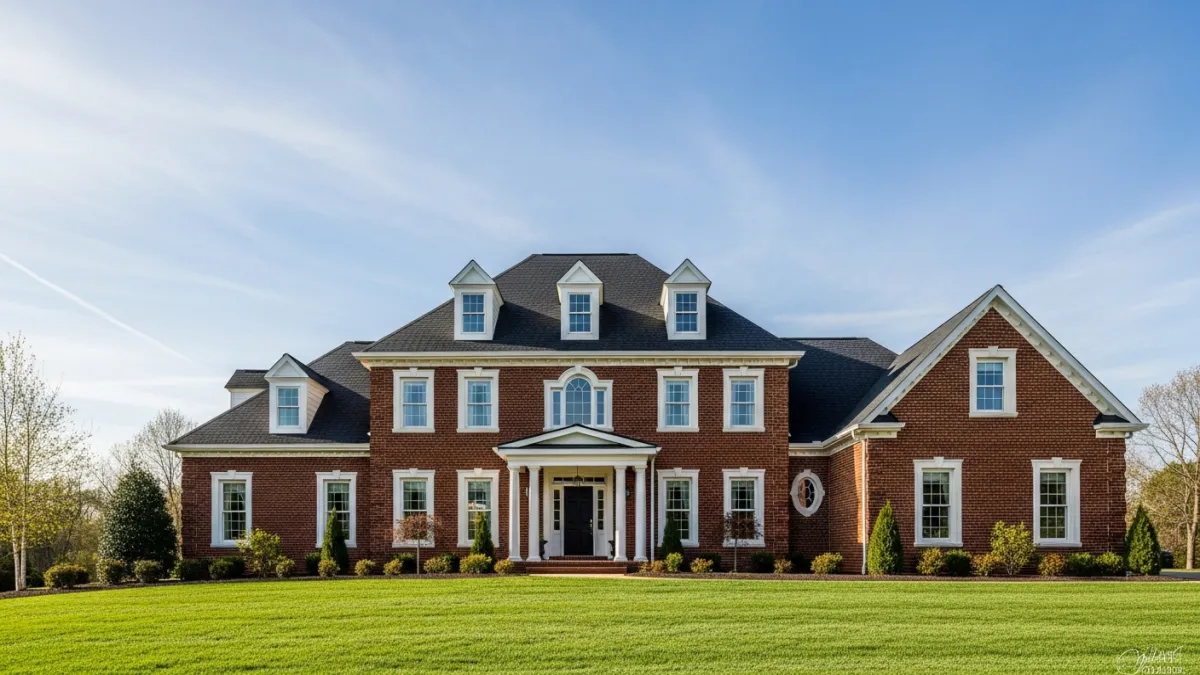
Historic property roofing requires a skill set that differs meaningfully from standard residential work. The contractor you choose should demonstrate experience with pre-1900 building structures, familiarity with board sheathing decking and irregular framing, knowledge of historic flashing methods and their modern equivalents, understanding of the Occoquan Historic District review process, and the ability to assess structural load-bearing capacity for material selection. Ask for specific references from historic property projects — not just residential roofing references. A contractor who excels at production-built colonials may lack the experience to handle the unique demands of a 150-year-old Occoquan building where every structural element may need individual assessment before material selection can be finalized.
Maintenance Considerations for Historic Roofs
Historic roofs in Occoquan require more attentive maintenance than standard residential roofs due to the building's age, the specialty materials involved, and the environmental conditions along the Occoquan River:
- Semi-annual inspections: The combination of older building structures, river humidity, and mature tree canopy makes twice-yearly professional inspections worthwhile for Occoquan historic properties
- Slate monitoring: If you have natural or synthetic slate, individual slates should be checked for cracking, slipping, and flashing deterioration at each inspection. Early intervention on individual slates prevents the cascading damage that occurs when one failure allows water to reach the deck
- Flashing vigilance: Historic buildings often have more complex flashing details than modern homes — multiple chimney flashings, dormer transitions, and wall-to-roof junctions. Each is a potential failure point that needs regular monitoring
- Gutter systems: Keep gutters clean and functional. Many historic Occoquan buildings have decorative or non-standard gutter systems that require careful maintenance to prevent overflow that damages the building's facade
Flashing and Detail Work on Historic Occoquan Buildings
The flashing details on a historic Occoquan building are more complex than what you find on modern production-built homes. Many of these older structures have multiple chimney penetrations, decorative dormers, varying roof pitches that intersect at compound angles, and wall-to-roof transitions that were originally detailed using lead or tin flashing methods. When re-roofing, these flashings must be replaced with modern materials — typically aluminum step flashing, galvanized steel counter flashing, or copper flashings for premium installations — while maintaining the same visual profile as the original details.
Chimney flashings on Occoquan's older buildings deserve particular attention. Many chimneys are original masonry with mortar joints that have deteriorated over decades. Installing counter flashing into weakened mortar joints requires repointing the joint first, then cutting and sealing the flashing into solid material. Skipping this step results in flashing that pulls loose within a few years. Cricket or saddle flashings behind wide chimneys are also critical — they divert water around the chimney rather than allowing it to pool against the upslope face. Some historic Occoquan chimneys lack proper crickets entirely because the original roofing predated this practice, and adding one during re-roofing eliminates a chronic leak source.
Permitting and Code Compliance for Occoquan Roof Projects
Beyond the historic district architectural review, roofing projects in Occoquan must also comply with Prince William County building codes and permit requirements. A building permit is required for full roof replacements, and the work must meet current code standards for underlayment, ice and water shield installation in valleys and at eaves, and ventilation. The permit process is separate from the historic review process, and both must be completed before work begins. Your contractor should handle both submissions and schedule the required county inspection upon completion. Working with a licensed contractor who regularly pulls permits in Prince William County ensures that the code compliance side of your project is handled correctly alongside the preservation requirements. The permit also triggers a final inspection by the county building official, providing independent verification that your new roof meets all applicable standards — an important safeguard on a project where the materials and methods differ from standard residential work.
Conclusion
Roofing a historic home in Occoquan VA is a specialized project that requires balancing preservation values with modern performance needs. The good news is that today's material options — synthetic slate, standing seam metal, and designer shingles — provide historically compatible aesthetics with dramatically better performance, lower weight, and lower maintenance than the original materials they replace. Choose a contractor who understands both the technical requirements of historic structures and the review process that governs work in the Occoquan Historic District.
Call us at (571) 570-7930 or book a consultation for your Occoquan historic property roofing project.