Roof Insurance Supplements: What Virginia Homeowners Need to Know
Roof Insurance Supplements: What Virginia Homeowners Need to Know

Key Takeaways
- A roof insurance supplement is additional documentation filed after the initial insurance assessment to request coverage for items that were missed, undervalued, or discovered during the repair process
- Supplements are a normal, accepted part of the insurance claims process — they are not adversarial or confrontational, and adjusters expect to receive them
- Common supplement items include overhead and profit, code upgrade requirements, undiscovered damage found during tear-off, and current local material and labor pricing
- An experienced roofing contractor who handles supplements regularly can recover an additional $1,000 to $5,000 or more beyond the initial insurance assessment for a typical residential claim
- The homeowner pays nothing additional for the supplement process — any recovered funds come from the insurance company, not from the homeowner's pocket
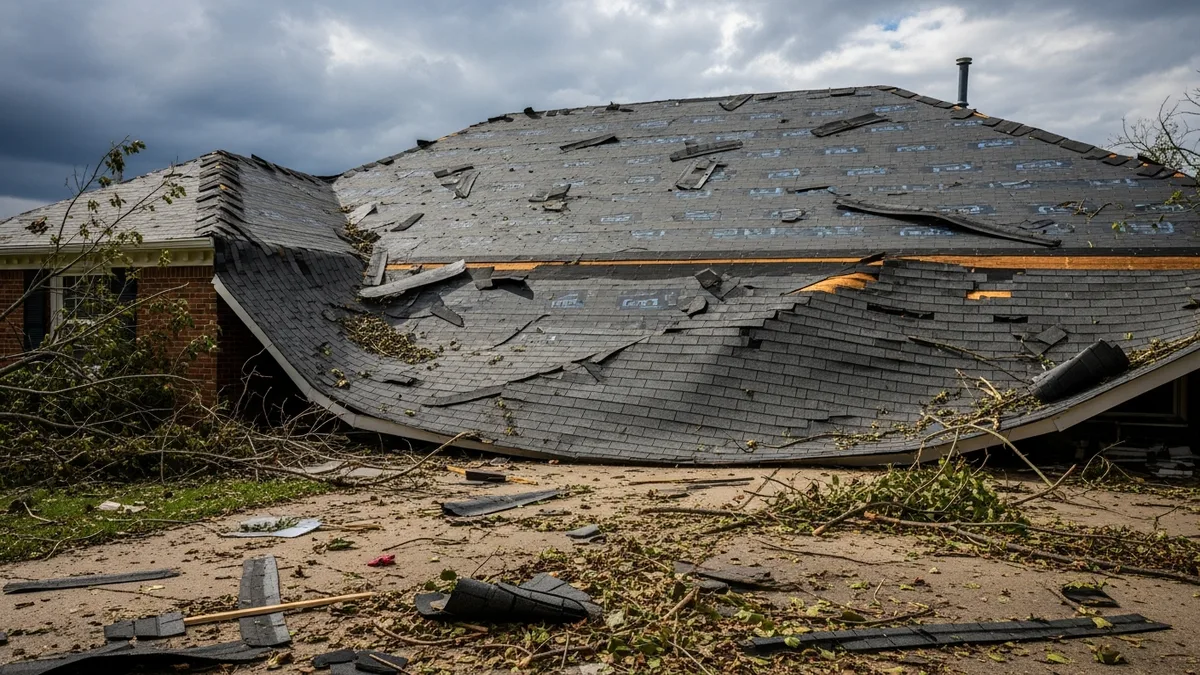
You filed your roof insurance claim after a storm, the adjuster inspected your roof, and the insurance company sent a settlement offer. But when your contractor reviews the scope of loss document, they identify items that were missed or underpriced — the settlement won't cover the actual cost of proper repair. This is common, not unusual, and it's exactly the situation that the insurance supplement process is designed to address.
A supplement is not a dispute or an appeal. It's additional documentation provided to the insurance company showing that the initial assessment didn't capture the full scope of necessary work. Insurance companies expect supplements — their adjusters are generalists who inspect dozens of properties per week across multiple types of claims. A roofing-specific contractor sees things the adjuster missed and provides the detailed technical documentation needed to include those items in the coverage.
Why Initial Assessments Often Fall Short
The initial insurance assessment is not designed to be the final word on the claim. Adjusters face time constraints that limit the thoroughness of each inspection, may inspect from the ground or a ladder rather than walking the entire roof surface, may not enter the attic to evaluate interior damage indicators, and use pricing databases that may not reflect current Northern Virginia market rates. Additionally, some damage is genuinely not discoverable until the tear-off process exposes the underlayment, decking, and flashing conditions underneath the surface materials. Rotted decking under intact-looking shingles, compromised underlayment, and deteriorated flashing that functioned adequately before the storm but was pushed past failure by the impact event — these are all legitimate supplement items that could not have been identified during the initial surface inspection.
Common Supplement Items on Virginia Roof Claims
Overhead and Profit (O&P)
Many initial insurance assessments exclude the general contractor's overhead and profit markup. Industry standard O&P is 10 percent overhead plus 10 percent profit (10/10), totaling approximately 20 percent of the job cost. Insurance companies sometimes exclude O&P from the initial assessment, particularly on claims they consider "simple" or single-trade. However, O&P is a legitimate business expense for any roofing contractor managing a project, and it can be supplemented with proper justification.
Code Upgrade Requirements
Virginia building code has evolved significantly over the past two decades. When a roof is replaced, the new installation must meet current code requirements — even if the original installation was code-compliant when it was done. Common code upgrades that may not be included in the initial assessment include ice-and-water shield at eaves and valleys (required by current code but not installed on many older roofs), adequate ventilation (current code requirements may exceed what was originally installed), drip edge installation, and upgraded fastener patterns. These are not elective upgrades — they're code requirements that the contractor must meet, and they're covered under most insurance policies' "law or ordinance" provision.
Undiscovered Damage
During the tear-off process, contractors frequently discover damage that wasn't visible from the surface. Rotted or damaged decking that was concealed under intact shingles, compromised underlayment, deteriorated flashing that needs full replacement rather than the re-use the initial assessment assumed, and insect or moisture damage to framing are all legitimate supplement items. Document this damage with dated photos during the tear-off process and submit it promptly.
Pricing Adjustments
Insurance pricing databases (Xactimate is the most common) use regional pricing data that is updated periodically. In fast-moving markets like Northern Virginia, the database pricing may lag behind actual current material and labor costs. If the assessment uses pricing that doesn't reflect current Northern Virginia market rates, a pricing supplement with current supplier quotes and labor rate documentation can address the shortfall.
How the Supplement Process Works
- Contractor identifies the shortfall: Your contractor reviews the insurance scope of loss document and identifies items that were missed, underpriced, or not included
- Documentation is prepared: The contractor prepares a supplement package including photos of the additional damage, manufacturer specifications supporting the claimed items, current pricing documentation, code references for required upgrades, and a revised scope of loss showing the complete work needed
- Supplement is submitted: The documentation is submitted to the insurance adjuster through the established claim
- Negotiation: The adjuster reviews the supplement, may request additional information, and may schedule a re-inspection. Most supplements are resolved through direct communication between the contractor and adjuster
- Revised settlement: If the supplement is approved in full or in part, the insurance company issues additional payment covering the supplemented items
The entire supplement process typically takes two to four weeks from submission to resolution. During this time, the repair work may proceed if the contractor and homeowner agree on how to handle the payment timing.
How Much Do Supplements Recover?
On a typical Northern Virginia residential roof claim, supplements commonly recover an additional $1,000 to $5,000 beyond the initial assessment. On more complex claims or larger homes, the recovery can be significantly higher. The amount depends on how thorough the initial assessment was, whether O&P was included, the extent of undiscovered damage, and the gap between database pricing and current market rates.
The Homeowner's Role in the Supplement Process
While your contractor handles the technical aspects of preparing and submitting the supplement, you as the homeowner play an important supporting role in ensuring the process goes smoothly and the recovery is maximized:
- Provide access: The contractor may need to access your roof and attic for additional documentation after the initial assessment. Make yourself available for scheduled visits and ensure the contractor has clear access to all affected areas
- Maintain communication with your insurance company: Stay in contact with your claims adjuster throughout the process. Respond promptly to any requests for information or documentation. Your responsiveness keeps the claim moving forward
- Keep all documentation: Maintain copies of every document in your claim file — the initial assessment, your contractor's estimates, all correspondence with the insurance company, supplement submissions, and settlement offers. This documentation trail is essential if the claim requires escalation
- Understand your policy: Read your declarations page and familiarize yourself with your coverage limits, deductible structure, and any special provisions like law or ordinance coverage that affects code upgrade claims
- Don't accept the first offer without review: The initial insurance assessment is a starting point, not a final answer. Have your contractor review every assessment before you accept or sign anything
When to Escalate Beyond the Supplement
Most supplements are resolved through direct negotiation between the contractor and the adjuster. However, if the supplement is denied and your contractor believes the denial is unjustified, escalation options exist. You can request a re-inspection by a different adjuster, invoke the appraisal clause in your policy (which brings in independent appraisers for both sides), or file a complaint with the Virginia Bureau of Insurance if you believe the insurance company is acting in bad faith. These escalation steps are rarely necessary — most supplements are resolved cooperatively — but knowing they exist provides leverage in the negotiation process.
Choosing a Contractor Who Handles Supplements
Choosing a Contractor Who Handles Supplements
- Ask about supplement experience: How many supplement claims has the contractor filed in the past year? What is their typical recovery amount? An experienced supplement contractor should be able to answer these questions specifically
- Xactimate proficiency: The industry-standard estimating software used by insurance companies is Xactimate. A contractor who can write estimates in Xactimate speaks the same language as the adjuster, which streamlines the supplement process
- Documentation quality: Ask to see an example of a supplement package (with client information redacted). Quality documentation includes date-stamped photos, manufacturer specification references, and clear line-item comparisons between the initial assessment and the supplemented scope
- No additional cost to you: The supplement process should not cost the homeowner anything additional. Any recovered funds come from the insurance company. If a contractor charges a separate fee for supplement work, that's unusual and worth questioning
Common Mistakes Homeowners Make During the Supplement Process
The supplement process works best when homeowners avoid a few common pitfalls that can delay recovery or reduce the amount ultimately approved. The most frequent mistake is accepting the initial insurance settlement and cashing the final payment before having a contractor review the scope. Once you accept and endorse the final check, some insurers consider the claim closed, making supplements more difficult to file. Always have your roofing contractor review the insurance scope of loss document before you sign off on the settlement as final.
Another common error is failing to document existing conditions before work begins. Your contractor should photograph every section of the roof from multiple angles before the first shingle is removed. During tear-off, any newly discovered damage — rotted decking, compromised underlayment, deteriorated flashing — must be photographed with timestamps before repairs are made. Without this documentation trail, the adjuster has no basis to approve the supplemented items. Homeowners who hire contractors without supplement experience often lose thousands of dollars simply because the evidence was never captured at the right moment. For more on navigating insurance claims effectively, see our guide on how to file a roof insurance claim in Virginia.
Finally, avoid signing contracts with storm chasers or out-of-state contractors who promise to "handle everything" with your insurance company. These companies often lack the local market knowledge to write accurate Xactimate estimates using Northern Virginia pricing, and they may disappear after the job is done — leaving you with no local recourse if warranty issues arise. A local contractor with established relationships with regional insurance adjusters will navigate the supplement process more effectively and be available for any follow-up that's needed months or years after the claim is settled.
Conclusion
Roof insurance supplements are a normal, legitimate part of the claims process that ensure your insurance settlement covers the actual cost of proper repair. An experienced roofing contractor who handles supplements regularly can identify items the initial assessment missed and recover additional funds through documentation and negotiation. The process costs you nothing as a homeowner and can make the difference between a claim that covers adequate repair and one that leaves you paying out of pocket for necessary work.
Call us at (571) 570-7930 or book a consultation for insurance claim assessment and supplement assistance in Northern Virginia.