Solar-Ready Roof in Northern Virginia: What to Do Before Solar
Solar-Ready Roof in Northern Virginia: What to Do Before Solar
Key Takeaways
- Roof age is the dominant decision: under 7 years, install solar over existing; over 10 years, replace the roof first; 7–12 years is a contractor judgment call
- Recommended shingle for solar-ready installs: Class 4 impact-resistant SBS-modified architectural (Timberline AS II, Duration FLEX, NorthGate ClimateFlex)
- Most NoVA roofs do not need structural reinforcement for typical residential solar (under 12 kW DC), but get a structural review for older homes with 2x4 rafters
- Solar-ready preparation typically adds $400–$1,500 to $6,000 to a roof replacement depending on scope (Class 4 upgrade, conduit, panel upgrade, rafter blocking)
- Solar panel removal and reinstallation to replace a failed roof underneath costs $2,500–$7,500 — synchronizing the cycles up front avoids this expense entirely
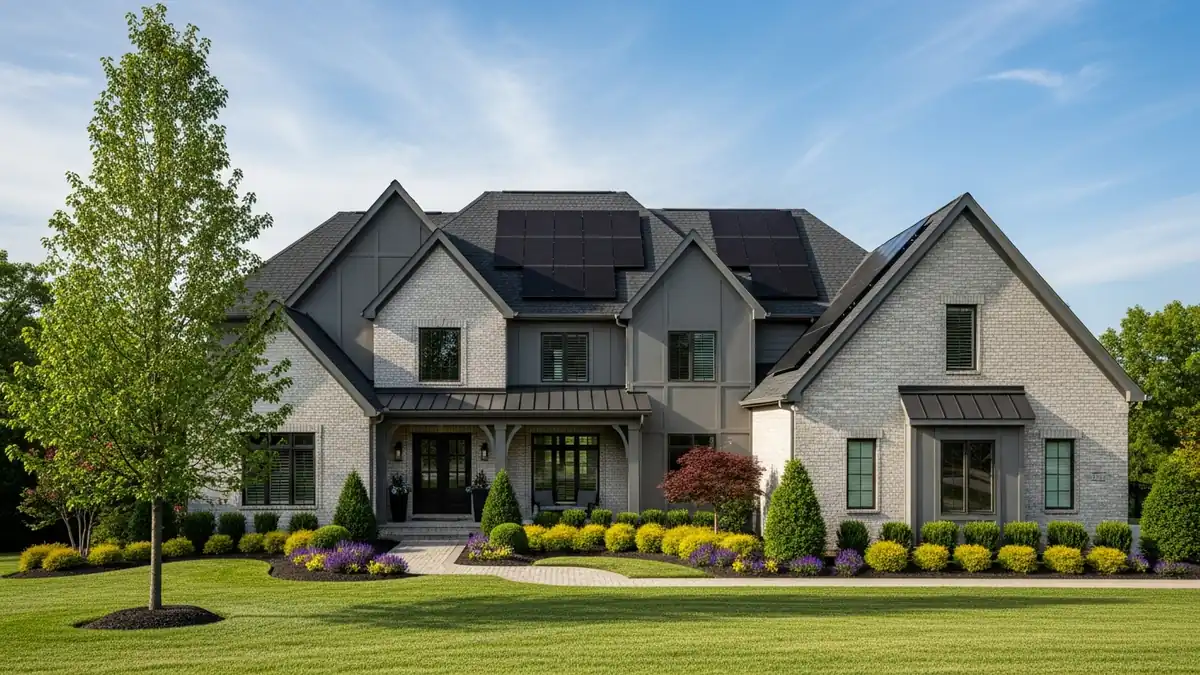
Solar adoption in Northern Virginia has accelerated sharply over the past five years, helped by the federal investment tax credit, Dominion Energy's net metering program, and Virginia's Clean Economy Act. For homeowners who already have an aging roof and are weighing solar, the sequencing question is unavoidable: do you replace the roof first, install solar over what's there, or do both at once? Get the answer wrong and you'll either pay thousands to remove and reinstall solar panels mid-life or replace shingles 5–8 years before they actually need to come off. This guide walks Northern Virginia homeowners through the practical decisions: when to replace the roof first, what shingle to choose for solar-ready service, what structural and electrical prep matters, and what the total cost looks like for a coordinated roof-then-solar strategy.
Solar systems are designed for 25–30 year service lives, and the panels themselves typically warranty performance to 80–85% of original output at year 25. Asphalt shingle roofs in Northern Virginia run 20–28 years on average for standard architectural and 25–35 years for premium SBS-modified Class 4 products. The math works cleanly when you start both clocks at the same time. It doesn't work cleanly when you bolt a 28-year solar system onto a 14-year-old roof.
The Roof-First vs Solar-First Decision
The decision hinges on the remaining service life of the existing roof. A practical framework for Northern Virginia homeowners:
| Existing Roof Age | Recommendation | Reasoning |
|---|---|---|
| 0–7 years | Install solar over existing | Roof has 18–23 years left; matches solar service life |
| 7–10 years | Inspect first; depends on condition | Borderline; roofer should rate remaining life |
| 10–15 years | Replace roof first, then install solar | Roof will fail before solar; sync now |
| 15+ years | Replace roof first, no question | Roof at end of useful life |
| Recent storm/hail damage | File insurance claim, replace, then solar | Insurance pays for the roof; clean slate |
The economic argument for replacing the roof first is straightforward. Removing and reinstalling a residential solar array runs $2,500–$7,500 depending on system size and complexity. If you install solar on a 14-year-old roof, you'll likely face that removal cost in 8–12 years when the shingles fail. Doing the roof first costs $11,500–$22,000 (the full replacement) but you only pay it once and the next replacement is 25+ years out, after the solar panels have completed their service life.
The Right Shingle for a Solar-Ready Roof
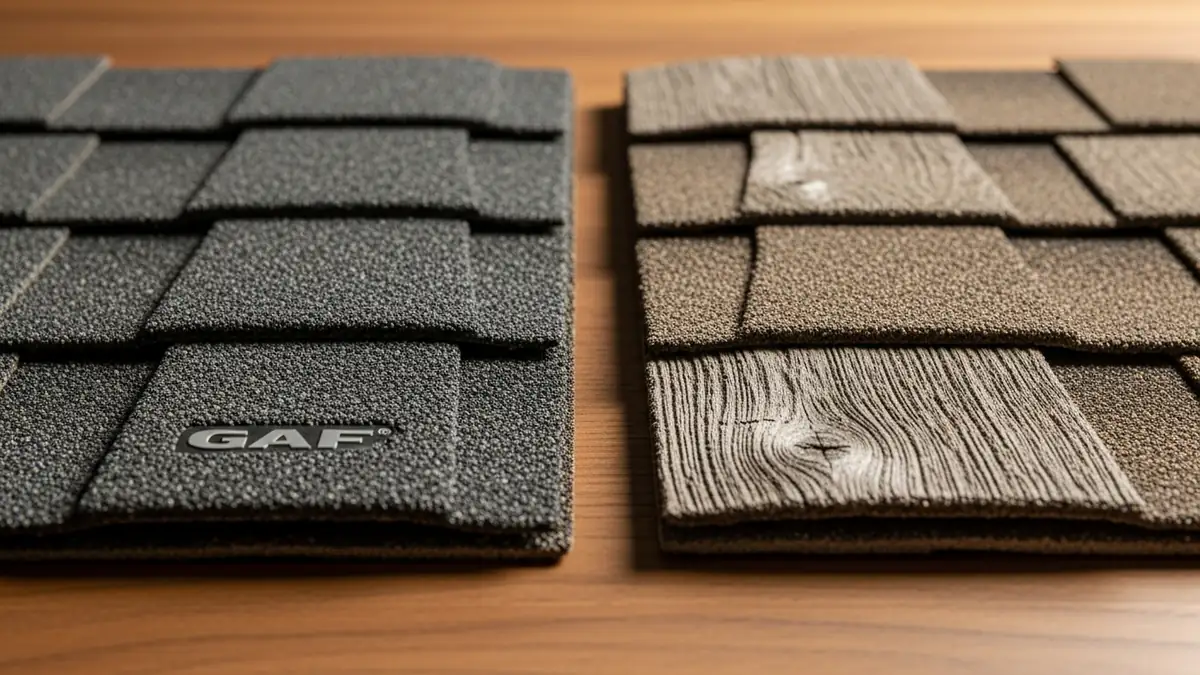
The right shingle for a solar-ready roof is one that comfortably outlives your solar system, and three asphalt products plus one metal option dominate the Northern Virginia conversation. GAF Timberline AS II is a Class 4 impact-resistant SBS-modified shingle that pairs with the GAF Solar Mount System through GAF Master Elite contractors, and the integration matters because the Solar Mount System is engineered to preserve the full GAF shingle warranty rather than void it. Owens Corning Duration FLEX is the Class 4 SBS-modified product on the Owens Corning side, and Owens Corning has formal partnerships with several major NoVA solar installers that preserve the full WeatherGuard Platinum warranty when the approved mounting hardware is used. CertainTeed NorthGate ClimateFlex rounds out the asphalt options as a Class 4 SBS-modified shingle that pairs cleanly with CertainTeed Apollo II solar shingles if a hybrid array (some traditional panels, some integrated solar shingles) is desired.
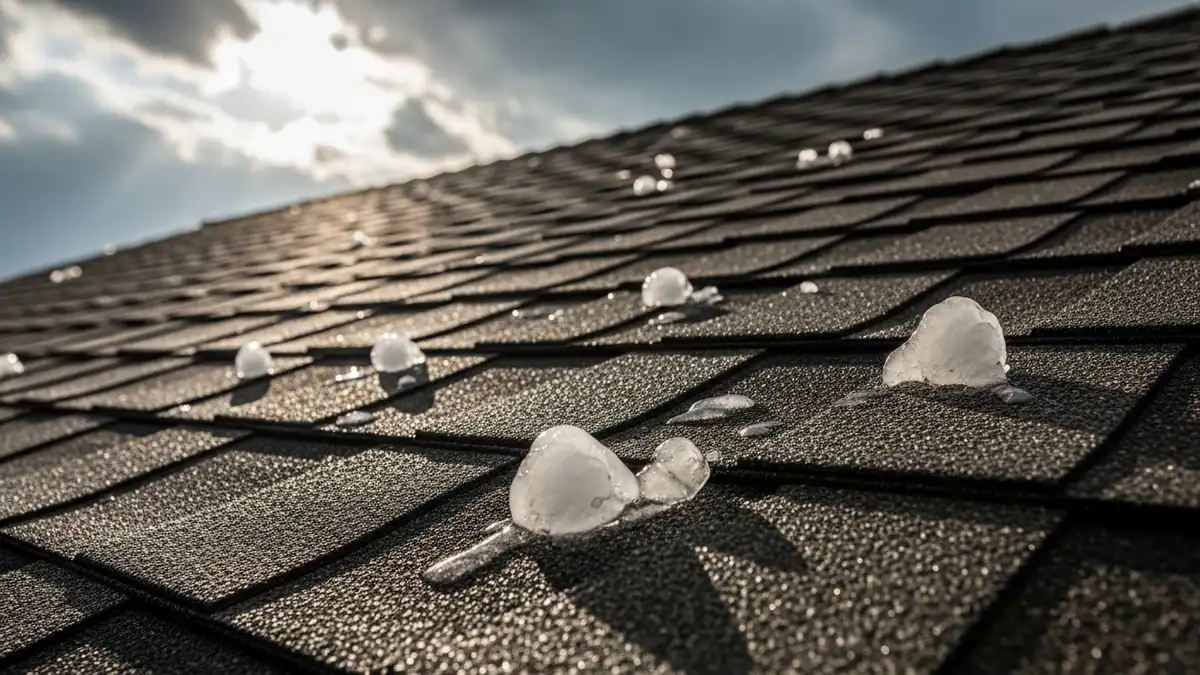
Standing seam metal sits in a category of its own as the premium option, with a 40–50 year service life and solar mounting that uses rail clamps attached to the standing seam itself rather than fasteners that penetrate the panel surface. That eliminates leak risk on the solar mounting almost entirely, and it is the single biggest reason metal is the gold standard for solar-ready roofs in Northern Virginia despite the higher upfront cost. Whatever you do, avoid 3-tab shingles entirely for solar-ready installations — the 18 to 22 year service life of a 3-tab product is shorter than the solar system itself, which guarantees a panel removal and reinstallation during the system's life and effectively negates the savings on the cheaper shingle. Our 3-tab versus architectural breakdown covers why 3-tab is wrong for almost every NoVA replacement scenario, and our GAF versus Owens Corning comparison and Class 4 IR shingle guide cover the choice between the three Class 4 SBS products in more detail.
Structural Considerations
A typical residential solar array adds 2–4 pounds per square foot of distributed load to the roof structure. Most Northern Virginia homes built since 1980 use 2x6 or 2x8 rafters spaced 24 inches on center, which comfortably handle this additional load within the original design margin. Truss-built homes (the dominant construction style after 1985) are usually engineered with similar margins.
A handful of cases warrant a structural engineering review before any solar array goes on the roof. Older NoVA homes built before 1980 sometimes carry 2x4 or otherwise undersized rafters that don't have the design margin for an additional distributed load, and any home that has had prior structural modifications — a knocked-out load-bearing wall, an attic conversion, an addition with shared rafters — needs a fresh look at how the loads are actually distributing through the existing framing. Larger solar arrays above 12 to 15 kW DC approach the upper end of typical residential design loads and deserve an explicit engineering check rather than a contractor's rule of thumb, and any roof with visible rafter or truss damage from rot, carpenter ant or termite activity, or prior fire damage should be evaluated and repaired before any panels go down. Roofs with low-pitch or flat sections where snow load could combine with panel weight to exceed the original design capacity also warrant the review, particularly on the few NoVA contemporary homes built in the 1970s and 1980s with broad low-slope main roofs.
Most reputable Northern Virginia solar installers include a structural review with their permit submission, performed by a Virginia-licensed structural engineer. The cost is typically $300–$800 and is built into the solar quote rather than billed separately. If your installer skips this step, ask why.
Electrical Pre-Work That Pays Off
Solar systems require an unobstructed conduit pathway from the panel array down through the attic and the exterior wall to the main electrical panel, and bundling some of this work into a roof replacement is dramatically cheaper than retrofitting it later. Running conduit through the attic from the future array footprint to the eave wall costs $150 to $450 during a roof replacement and $400 to $900 as a standalone retrofit, simply because the deck is already open and the attic is already accessible during the reroof. A 200-amp main electrical panel upgrade is required by most modern solar systems for the backfeed breaker, and at $1,200 to $3,500 it is independent of the roof scope but worth scheduling around the same project so the electrician is on site once. Rafter ties or blocking at future array footprints add $200 to $600 during a roof replacement and provide a solid mounting substrate for the solar brackets when the panels eventually go up; doing this work later requires opening attic insulation and is meaningfully more expensive.
If a battery storage system is in the longer-term plan, a sub-panel for critical loads ($800 to $2,500) is easier to install during the initial electrical work than added later, and the $800 to $1,500 incremental cost of doing it now versus retrofitting is small compared to the rework involved in adding it during a battery installation two or three years later. Even if you're not planning to install solar this calendar year, including the conduit pathway and the main panel upgrade during a roof replacement creates a "solar-ready" status that can be marketed to future buyers and reduces your future install cost by 5 to 15 percent. NoVA neighborhoods with strong solar adoption — Lake Ridge, Cardinal Forest, much of Reston and Vienna — are increasingly seeing solar-ready status show up in MLS listings, and the marketing value alone often pays for the prep work at resale.
Northern Virginia Solar-Ready Cost Breakdown
| Component | Standalone Cost | During Roof Replacement | Notes |
|---|---|---|---|
| Standard architectural roof replacement (2,200 sq ft) | $11,500–$16,800 | — | Base scope |
| Class 4 IR shingle upgrade | N/A | +$1,800–$3,500 | Recommended for solar-ready |
| Conduit pathway (attic to panel) | $400–$900 | $150–$450 | Easier with shingles off |
| Rafter blocking under array | $400–$1,200 | $200–$600 | Solid mounting substrate |
| 200-amp panel upgrade | $1,200–$3,500 | $1,200–$3,500 | Independent of roof; same cost either way |
| Solar system installation (8 kW DC) | $22,000–$32,000 | N/A (separate) | Before federal 30% tax credit |
| Solar removal/reinstall (8 kW) | $2,500–$7,500 | — | Avoidable cost if sequenced correctly |
Prices shown are typical 2026 ranges for Northern Virginia. Solar installation costs are pre–federal Investment Tax Credit (currently 30% for residential through 2032). Contact us for a free on-site estimate.
Penetration Management: The Long-Term Risk
A typical residential solar array creates 30 to 80 roof penetrations from the mounting brackets, depending on system size, and each one is a potential leak point over the 25–30 year life of the panels. The single most important quality decision on any NoVA solar install is the mounting system. Flashing-integrated mounts are the recommended approach for any asphalt shingle roof: the mount includes a metal flashing that integrates with the shingle layer, providing a secondary water barrier that is completely independent of the sealant on the bracket itself. The major flashing-integrated systems — IronRidge FlashFoot, EcoFasten Rock-It, S-5! for metal, and the GAF Solar Mount System — all last the life of the roof when installed correctly, and they're what reputable Northern Virginia solar installers use as their default specification.
Caulk-only mounts are the cheap alternative and the wrong choice for any 25-year solar system. They rely entirely on roofing sealant to seal the bracket penetration, and sealant fails reliably in five to ten years under thermal cycling — which guarantees leaks during the back half of the panel system's life. Any solar quote that uses caulk-only mounting should be rejected outright, regardless of the headline price. The third option, standing-seam clamp mounts, is available only on metal roofs and is the best of the three: the clamp attaches to the standing seam without any penetration of the panel itself, which eliminates the leak risk entirely and is the structural reason metal roofs are the gold standard for solar applications. Whichever system the installer proposes, verify the mounting method in writing before signing the solar contract — reputable installers document the specific mounting product, the manufacturer's installation specification, and the shingle warranty preservation language in the project contract, and the absence of that documentation is a meaningful red flag.
Coordinating Roof and Solar Contractors
A coordinated approach across the two trades produces meaningfully better outcomes than handling them as independent projects, and the sequencing isn't complicated once you commit to running them in parallel. Start with a roof inspection and quote to confirm the remaining service life and the recommended replacement scope; that conversation determines whether you're in the install-solar-now camp or the replace-the-roof-first camp, and there's no point designing a solar system before that decision is made. If the roof needs to be replaced, get the solar system designed in parallel rather than sequentially — share the future array layout with the roofer so they can install rafter blocking, ice and water shield, and the conduit pathway in exactly the right locations during the reroof. The conduit pathway placement should be coordinated with the solar installer's electrical plan, since the roofer can rough in the conduit during shingle replacement at minimal incremental cost when the deck is open.
Confirm shingle warranty preservation in writing from both the roofer and the solar installer before either project starts; the mounting method must be approved by the shingle manufacturer for the warranty to remain in force, and getting that confirmation in writing before signing protects you against finger-pointing if a leak develops years later. Schedule the solar install for after the roof replacement is complete and the new shingles have had at least 30 days in the sun to fully seal — installing panels on freshly laid unsealed shingles can cause sealing problems on the shaded portions of the array. Finally, save all documentation for both projects in a single file: the roofing scope, the registered shingle warranty, the solar mounting product specification, the electrical permit, and the PE structural review. That documentation file is what protects you in 12 years when something needs attention and the original installer is no longer around. For homeowners in the middle of an insurance claim, sequencing solar after the insurance restoration is the cleaner path: the carrier pays for the new roof, the new shingle becomes the solar-ready substrate, and the solar install proceeds on a fresh foundation. Insurance restoration roofing followed by solar is one of the most common solar pathways in Northern Virginia.
Net Metering, Permitting, and the NoVA Utility Picture
Solar economics in Northern Virginia depend heavily on the net metering arrangement with Dominion Energy, which serves the vast majority of Prince William, Fairfax, and Loudoun residential addresses. Under the current Dominion residential net metering tariff, customers with systems up to 25 kW receive a kilowatt-hour credit for every kWh exported to the grid, applied against future consumption on a one-for-one basis. Excess credits roll forward indefinitely, with an annual true-up that converts unused credits to a small avoided-cost payment. The economics are compelling for most NoVA single-family homes: a properly sized 7 to 10 kW system on a south-facing or west-facing roof typically eliminates 70 to 90 percent of annual electricity consumption and pays back in 8 to 11 years before considering the federal investment tax credit.
The permitting workflow involves three separate approvals that the solar installer should manage on the homeowner's behalf. The local building permit covers the structural attachment and electrical work, and is reviewed by the county or city building department — Prince William County, Fairfax County, and Loudoun County all have established residential solar review processes that typically take 2 to 4 weeks. The electrical permit is sometimes pulled separately and covers the interconnection wiring, the backfeed breaker, and any panel upgrades. The Dominion Energy interconnection application authorizes the system to export to the grid and includes the bidirectional meter installation, with a typical review timeline of 4 to 8 weeks from initial application to permission to operate. HOA approval is a fourth gate in many NoVA communities, and Virginia state law (Va. Code §67-701) restricts HOAs from prohibiting solar entirely, but allows them to specify aesthetic requirements such as panel placement, frame color, and conduit routing. Walking the proposed array layout past the architectural review committee before submitting the formal application is one of the more reliable ways to avoid HOA-driven rework.
Long-Term Maintenance and Inspection
A solar-ready roof in Northern Virginia needs a slightly different maintenance rhythm than a standard roof, and building that maintenance schedule into the original design is what protects the system through the back half of its service life. The single most important practice is an annual visual inspection of all panel mounting points — flashings, brackets, and the shingle area immediately around each mount — to confirm that no fastener has backed out, no flashing has lifted, and no shingle is showing premature wear from the bracket footprint. That inspection takes a competent roofer about 90 minutes on a typical 7 to 10 kW NoVA array and costs $200 to $400 when bundled with a routine roof inspection; doing it annually catches the kinds of small issues that turn into leaks at year 12 if they're left alone.
The panel system itself benefits from a separate annual cleaning and electrical inspection by the solar installer, which addresses panel soiling (pollen and dust accumulation reduce output by 5 to 10 percent over a single NoVA pollen season), connection torque, monitoring system health, and any string-level performance variances that would indicate a degrading panel. Most NoVA solar installers offer ongoing monitoring service contracts that bundle this work for $150 to $400 per year, which is a reasonable insurance policy on a $25,000 to $40,000 system investment. When a roof eventually does need attention beneath the panels — typically at the 25 to 30 year mark for a Class 4 SBS-modified shingle or 40+ years for standing seam metal — the panel removal and reinstallation should be coordinated with the same companies that handled the original install, since they have the original specifications and warranty paperwork on file. Our NoVA roof inspection guide covers the broader inspection cadence that pairs with this solar-specific schedule.
Common Mistakes
A predictable set of mistakes shows up on NoVA solar projects, and most of them stem from treating the roof and the solar system as independent decisions rather than two halves of the same long-term investment. Installing solar over a 14-year-old roof is the single most common one, and it guarantees a $2,500 to $7,500 panel removal and reinstallation within six to ten years when the shingles fail. Choosing 3-tab shingles for the roof under a solar array is a closely related mistake — the 18 to 22 year service life of a 3-tab product is shorter than the panels themselves, which forces the same panel removal scenario but on an even tighter timeline. Skipping the structural engineering review on pre-1980 homes is another recurring problem, particularly on the older Woodbridge and Manassas neighborhoods where 2x4 rafters and undersized framing are common; the structural review costs $300 to $800 and prevents a much more expensive rafter overload conversation later.
The remaining common mistakes are paperwork and warranty traps that show up as full-blown problems years after the install. Using a solar installer with caulk-only mounting hardware is a near-guarantee of leaks in the 8 to 12 year window when the bracket sealant fails — flashing-integrated mounts are the only acceptable choice on an asphalt shingle roof. Adding gable or box vents during the roof replacement when ridge vent is also installed creates the mixed-ventilation pattern that voids most shingle manufacturer warranties (a problem covered in detail in our NoVA ventilation guide). Forgetting to confirm shingle warranty preservation in writing with the manufacturer before signing the solar contract is the most common warranty trap; without that confirmation, a leak attributed to the solar mounting brackets can void coverage on the entire shingle system. And finally, skipping the conduit pathway rough-in during the roof replacement is the most common dollar-per-decision mistake — the rough-in costs $150 to $450 during the reroof and $400 to $900 to retrofit later, and homeowners routinely pay the larger number because they didn't think about the solar pathway when the deck was open.
Planning Solar? Get the Roof Right First.
Woodbridge Roofers works with Northern Virginia homeowners and solar installers to build solar-ready roofs that synchronize with the panel system's service life. We coordinate scope with your solar contractor, confirm shingle warranty preservation, and make the conduit and structural prep cost-effective. Free in-home consultation. Call (571) 570-7930.
Schedule In-Home ConsultationFrequently Asked Questions
Related Articles
- Class 4 Impact-Resistant Shingles in Northern Virginia
- GAF vs Owens Corning Shingles in Virginia
- Roof Ventilation Guide for Northern Virginia Homes
- Roof Replacement Cost in Northern Virginia
Conclusion
A solar-ready roof in Northern Virginia is fundamentally about synchronizing two long-life systems so they reach end of life together. If your roof is over 10 years old and you're planning solar in the next 5, replace the roof first with a Class 4 impact-resistant shingle, build in the conduit pathway and rafter blocking during the replacement, confirm the shingle warranty is preserved by the chosen mounting system, and let the solar installer do their work on a fresh substrate. The math is simple: paying once for a coordinated replacement is much cheaper than paying for solar removal and reinstallation when the older roof fails 6–10 years into the panel's life.
If your roof is under 7 years old, install solar over the existing roof and the cycles will sync naturally. The borderline 7–12 year case deserves a contractor's honest assessment of remaining life. Don't take a sales pitch from either side without that independent read.
Call Woodbridge Roofers at (571) 570-7930 or book a free in-home consultation. We'll assess your existing roof's remaining life, recommend the right solar-ready scope, and coordinate with your solar installer so both projects land cleanly.