The Complete Roofing Guide for Prince William County Homeowners
The Complete Roofing Guide for Prince William County Homeowners
Key Takeaways
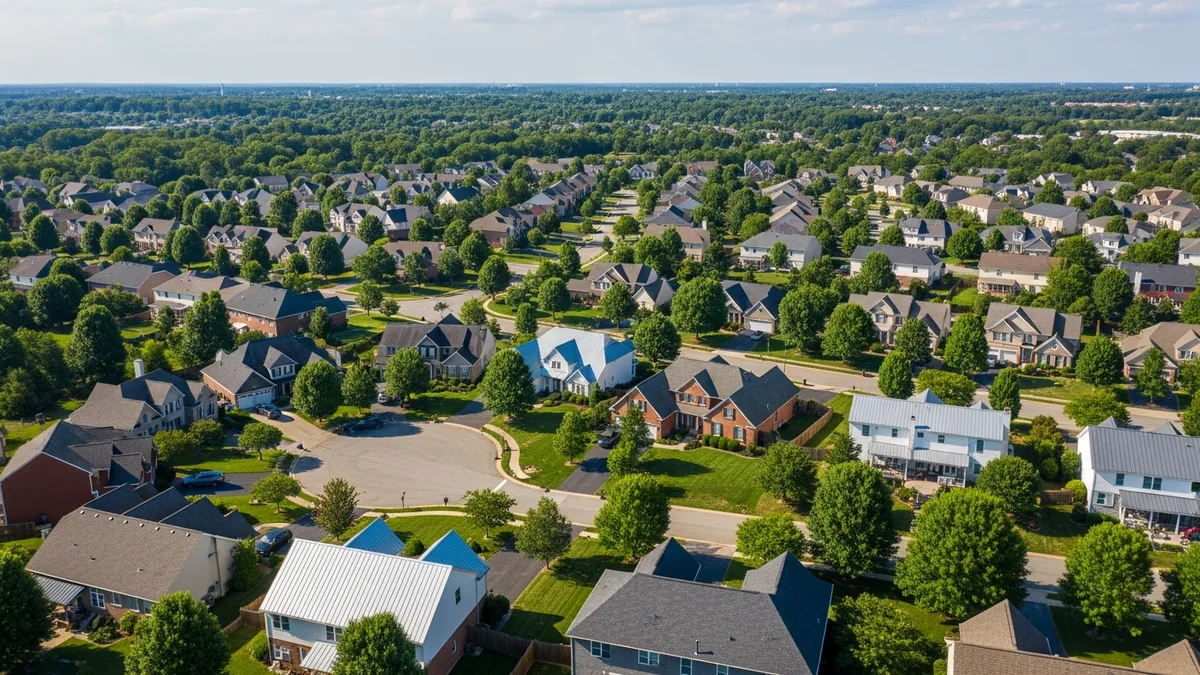
- Prince William County is one of Northern Virginia's largest and most diverse counties, with roofing needs that vary significantly from eastern Woodbridge to western Bristow and Gainesville
- PWC roof replacement costs range from $8,500 to $18,000 for architectural shingles on standard homes, with premium materials and larger homes pushing costs to $22,000 or more
- Prince William County requires building permits for full roof replacements — your contractor should handle this
- Most PWC communities have HOA-governed neighborhoods with Architectural Review Committee requirements for roofing changes
- The county's varied geography creates different roofing challenges: higher wind exposure in the west, more humidity and tree coverage in the east
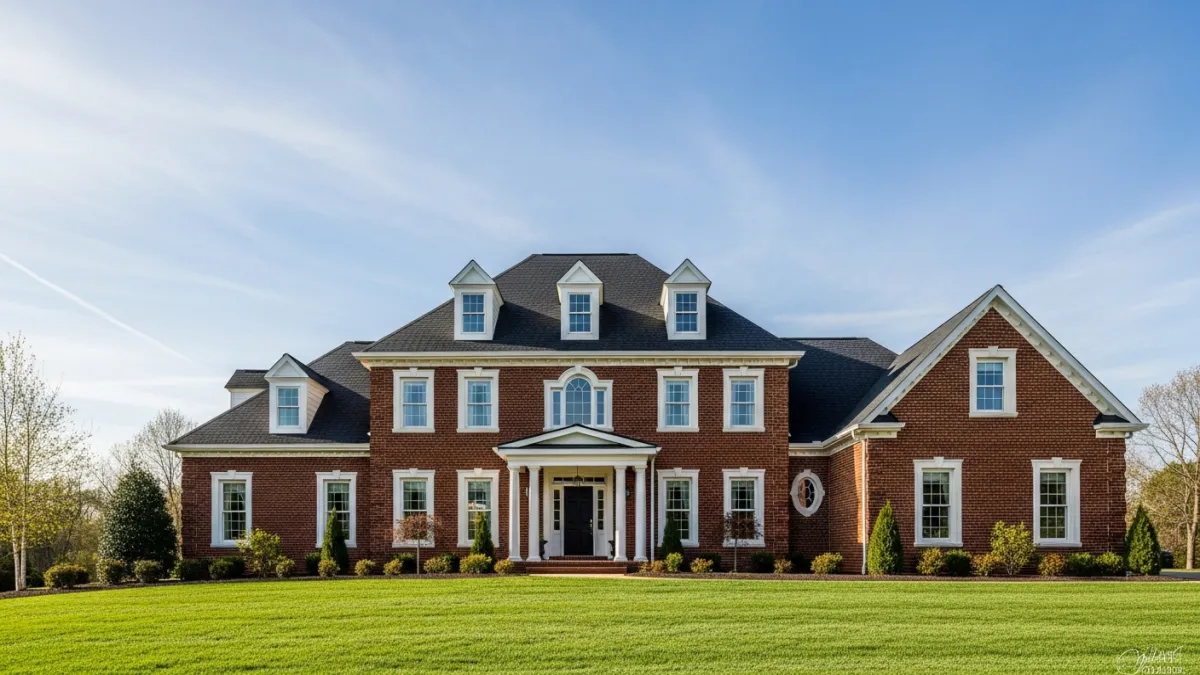
Prince William County stretches from the Potomac River on its eastern border to the rolling hills of the Piedmont in the west, encompassing some of Northern Virginia's most established communities alongside some of its newest developments. This geographic and developmental diversity means that roofing in Prince William County is not a one-size-fits-all proposition. The conditions that affect a roof in a Montclair home nestled under 40-year-old oaks along the Occoquan are meaningfully different from those affecting a home on an open lot in a newer Gainesville subdivision along Route 29.
This comprehensive guide covers everything Prince William County homeowners need to know about their roof: how the county's geography and climate affect roofing performance, what materials work best for different areas within the county, realistic costs for the local market, the permit and HOA processes you'll navigate, and how to find a contractor qualified for your specific project.
Prince William County Geography and Roofing Conditions
Eastern PWC: Woodbridge, Dale City, Lake Ridge, Dumfries
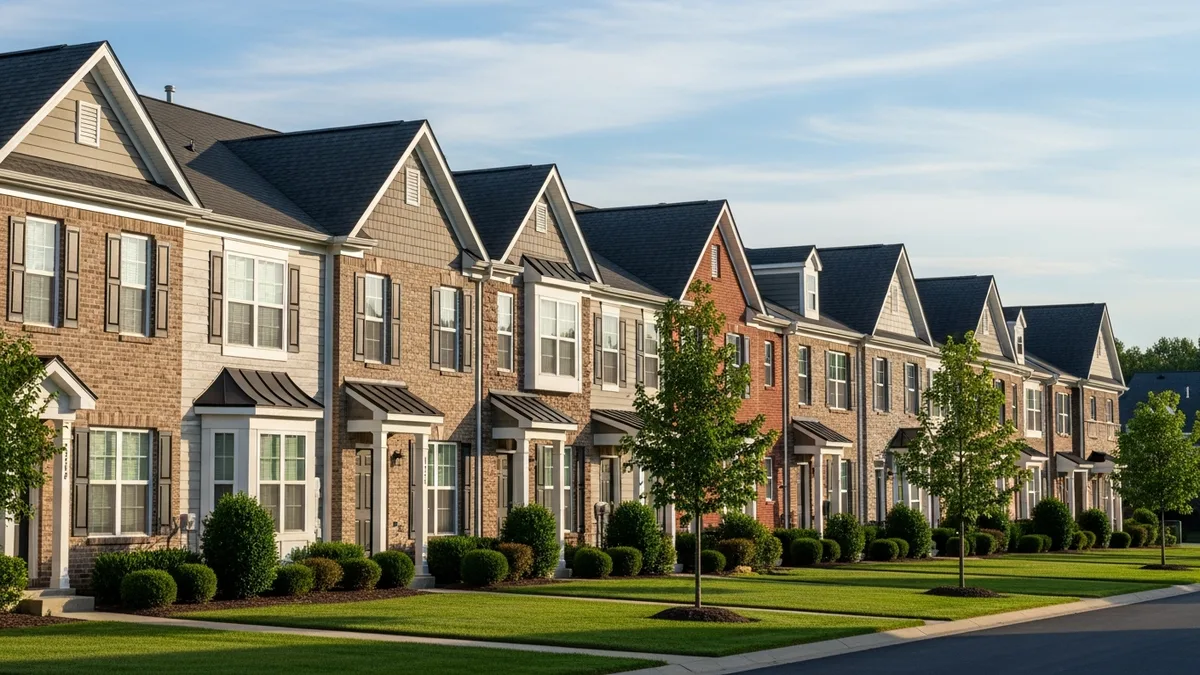
The eastern communities along the I-95 corridor and bordering the Potomac River and Occoquan Reservoir have these roofing characteristics: mature tree canopy from established neighborhoods (many built 1970s through 1990s), higher humidity from proximity to major waterways promoting algae and moss growth, mixed housing stock from split-level 1970s homes to production-built colonials of the 1990s and 2000s, and moderate wind exposure with some sheltering from terrain and trees. Homes in Woodbridge, Lake Ridge, Dale City, and Dumfries should prioritize algae-resistant shingles and regular gutter maintenance due to the heavy tree coverage and humidity.
Central PWC: Manassas, Manassas Park, Sudley
The central part of the county around the Manassas area sits at the transition between the coastal plain and the Piedmont. Neighborhoods here range from the historic homes near Old Town Manassas to the modern subdivisions surrounding the VRE stations. The terrain is more open than eastern PWC, with less tree coverage on many newer lots. Wind exposure is moderate to high depending on the specific location and lot orientation.
Western PWC: Bristow, Gainesville, Haymarket
Western Prince William County along the I-66 corridor features the county's newest large-scale developments — Bristow, Gainesville, and Haymarket communities. The terrain is more open and sits at higher elevation, creating higher wind exposure than eastern areas. Homes here are generally newer (2000s and 2010s) with builder-grade roofs that are approaching or entering their first replacement cycle. High-wind-rated shingles (110 to 130 mph) are essential for these exposed western locations.
Roofing Costs in Prince William County
| Service | Low End | High End | Notes |
|---|---|---|---|
| Architectural shingles (standard home) | $8,500 | $16,000 | 1,800 - 2,500 sq ft home |
| Premium/designer shingles | $12,000 | $22,000 | Larger homes, premium products |
| Standing seam metal | $16,000 | $26,000 | Where HOA allows |
| Roof repair | $350 | $1,500 | Scope dependent |
| Building permit | $75 | $250 | Required for full replacement |
Best Roofing Materials for Prince William County
Material selection should account for your specific location within the county:
- For all PWC locations: Algae-resistant architectural shingles are the baseline recommendation. Products like GAF Timberline HDZ, Owens Corning Duration, and CertainTeed Landmark Pro provide the combination of wind resistance, algae protection, and longevity that this climate demands
- For western PWC (high wind): Specify products rated for 130 mph wind resistance with enhanced nailing patterns. Consider impact-resistant Class 4 options for the most exposed lots
- For eastern PWC (high humidity/shade): Prioritize the strongest algae-resistant formulations. Consider zinc strip installation at ridges for additional moss prevention on heavily shaded properties
- For long-term homeowners (15+ years): Standing seam metal provides the best total cost of ownership where HOA rules allow. The 40 to 60 year lifespan eliminates re-roofing for the foreseeable future
PWC Building Permits for Roofing
Prince William County requires a building permit for full roof replacements. The permit process ensures the work meets current building code requirements, including proper underlayment installation, ice-and-water shield at eaves and valleys, current fastener patterns, adequate ventilation, and proper flashing at all transitions. Your contractor should handle the permit application, fee payment, and inspection scheduling as part of their scope. The county inspects the completed work, typically within a few days of the contractor's request. A passed inspection confirms the installation meets code and becomes part of the property's permanent record — valuable when you sell the home.
HOA Roof Replacement in Prince William County
The majority of Prince William County homes built since the 1980s are in HOA-governed communities. The Architectural Review Committee (ARC) process is a standard part of the roof replacement timeline for these homeowners. For a detailed walkthrough of the process, see our guide to HOA roof replacement in Prince William County. The general process involves requesting current architectural guidelines, selecting compliant materials, submitting the ARC application with contractor and material information, waiting for approval (typically two to four weeks), and completing the work within the approved timeline.
Choosing a Roofing Contractor in PWC
The fundamentals of contractor selection apply throughout the county. Use our detailed guide on finding a licensed contractor in Prince William County for the full process. In summary:
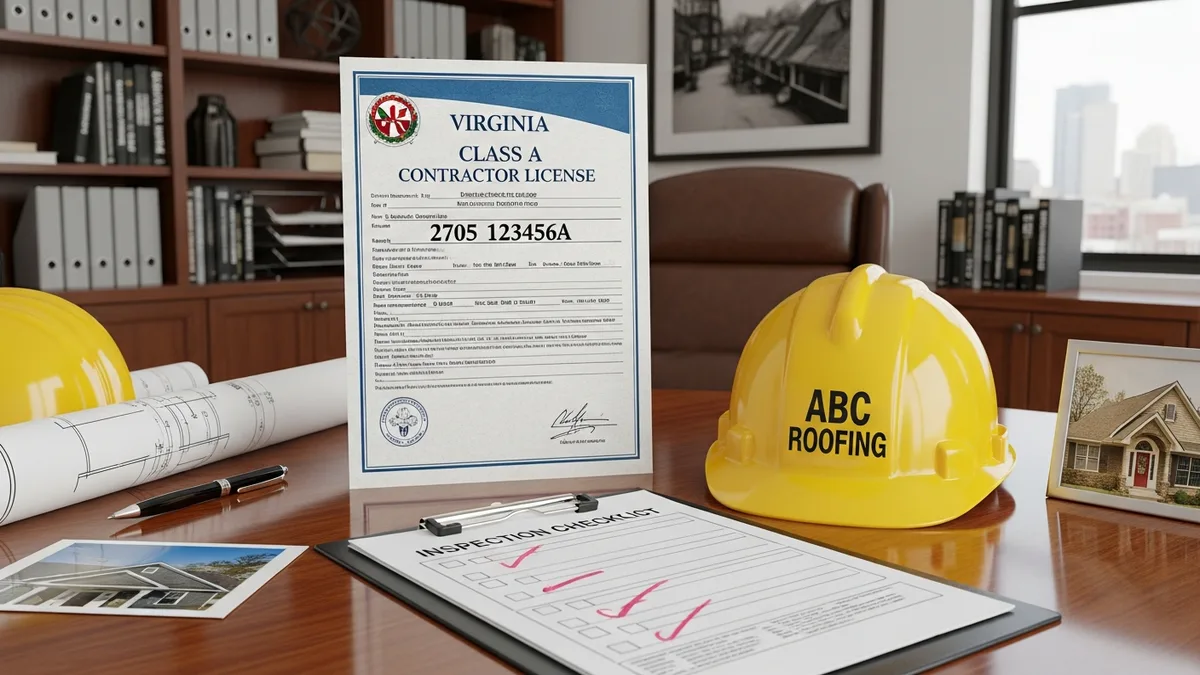
- Verify Virginia DPOR license (Class B or higher for most replacements)
- Verify general liability and workers compensation insurance directly with carriers
- Request references from your specific area within the county
- Get itemized written estimates from at least two to three contractors
- Confirm the contractor handles permits and HOA submissions
- Review warranty terms (both manufacturer material and contractor workmanship) in writing
Common Roofing Problems by PWC Neighborhood Age
- 1970s-1980s homes (Dale City, Montclair, older Manassas): Second or third roof cycle. Watch for accumulated damage to decking from previous roof failures, outdated ventilation systems, and structural modifications from additions or remodels that affect the roof
- 1990s-2000s homes (Lake Ridge, Woodbridge, Bristow): First replacement cycle. Builder-grade shingles reaching end of life. Algae and moss issues on shaded lots. Pipe boot failures becoming common
- 2005-2015 homes (Victory Lakes, Gainesville, newer Bristow): Pre-replacement monitoring phase. Annual inspections to track condition. Early signs of wear on builder-grade materials. Storm damage from individual events rather than systemic aging
- Post-2015 homes: Still within initial roof lifespan. Focus on maintenance (gutters, ventilation) and post-storm inspections
Seasonal Roofing Considerations for PWC
- Spring (March-May): Best season for inspections after winter weather. Schedule spring inspections to catch any winter damage. Good season for repairs and replacements before summer demand peaks
- Summer (June-August): Peak demand season. Schedule early. Thunderstorm damage is common. Asphalt shingles seal better in warm weather due to adhesive strip activation
- Fall (September-November): Excellent season for replacements. Moderate temperatures, lower humidity, and good adhesive activation. Fall maintenance should include gutter cleaning before winter
- Winter (December-February): Emergency repairs only in extreme cold. Shingle adhesive strips may not seal properly below 40 degrees. Ice dam risk during freeze-thaw cycles
Roof Ventilation Requirements in Prince William County
Proper attic ventilation is one of the most overlooked aspects of roofing in Prince William County, yet it has a direct impact on both roof longevity and energy costs. The county's hot, humid summers push attic temperatures well above 130 degrees in homes with inadequate ventilation, which accelerates shingle deterioration from the underside and drives up cooling costs. In winter, poor ventilation traps warm, moist air in the attic space, leading to condensation on the underside of the roof deck, which promotes wood rot and creates the conditions for ice dam formation during freeze-thaw cycles.
Virginia building code requires a minimum ventilation ratio of 1:150 (one square foot of net free ventilation area for every 150 square feet of attic floor space), which can be reduced to 1:300 when the ventilation is balanced between intake and exhaust. For most Prince William County homes, this means a combination of continuous soffit vents for intake and a ridge vent for exhaust. Many older homes in Dale City and Montclair were built with gable vents only, which provide inadequate airflow compared to the soffit-to-ridge system required by modern code. When your roof is replaced, upgrading the ventilation system to meet current standards is a code requirement — and it's one of the most cost-effective improvements you can make.
Ventilation Mistakes to Avoid
Mixing ventilation types is a common mistake on Prince William County roofs. Installing a powered attic fan alongside a ridge vent, for example, can actually pull conditioned air from the living space into the attic rather than exhausting hot attic air. Similarly, adding a ridge vent without ensuring the soffit intake is clear and unobstructed by insulation defeats the purpose of the system. During a roof replacement, your contractor should verify that every soffit bay has a clear airflow path and install baffles at the eaves to keep blown-in insulation from blocking intake. These details cost very little during the replacement but are expensive to address after the fact.
Storm Damage and Insurance in Prince William County
Prince William County sits in a region that experiences severe thunderstorms, microbursts, and occasional hail events throughout the spring and summer months. The western communities along I-66 are particularly exposed to wind events due to the open terrain at higher elevations. When storm damage occurs, the process for filing an insurance claim and getting your roof restored follows a specific sequence that can significantly affect your outcome. Document all damage with photos before making temporary repairs, file your claim within 24 to 48 hours, and have a local contractor present during the adjuster's inspection. For a detailed walkthrough, see our guide on filing a roof insurance claim in Virginia. Working with a contractor experienced in insurance supplements ensures that all damage is properly documented and included in the settlement, including items that adjusters commonly miss on initial inspections.
Conclusion
Roofing in Prince William County requires understanding the specific conditions that affect your home's location — whether that's the humidity and tree coverage of eastern communities along the Potomac, the wind exposure of western developments along I-66, or the transition zones in between. The right material, the right contractor, and a clear understanding of the permit and HOA processes will ensure your roofing project goes smoothly and delivers decades of reliable performance.
Call us at (571) 570-7930 or book a free consultation for your Prince William County roofing project.